What defines crypto AI infrastructure
The crypto AI space is crowded with noise, but true infrastructure projects are distinct from speculative tokens. While many projects market themselves as "AI coins," actual infrastructure provides the foundational layers—compute, data, and networking—that AI agents need to operate. Think of it as the difference between selling cars and building the roads they drive on.
These projects focus on the underlying rails rather than just the application layer. They enable decentralized machine learning networks, secure data marketplaces, and distributed GPU rendering. This shift is creating open, scalable, and trustless systems that allow organizations to harness AI while maintaining sovereignty over their data.
Identifying genuine infrastructure requires looking at the technical utility. Does the project provide verifiable compute power? Does it offer a decentralized data layer for training models? Or does it simply promise AI integration without the technical backbone? Projects like Render Network and Ocean Protocol are building these essential components, moving beyond hype to provide tangible resources for the next generation of AI agents.
Top decentralized compute networks
Decentralized GPU compute networks form the backbone of on-chain AI, providing the raw processing power needed for training models and running inference. Instead of relying on centralized cloud providers, these networks aggregate idle GPU capacity from a global network of nodes. This approach lowers costs and increases accessibility for developers building AI applications on blockchain.
Render Network (RNDR) leads this space by connecting GPU providers with artists and developers. It operates as a dedicated compute layer, allowing users to offload rendering and AI workloads. The network has expanded beyond simple graphics rendering to support machine learning tasks, making it a foundational infrastructure piece for crypto-native AI projects.
Bittensor (TAO) takes a different approach by creating a marketplace for machine learning intelligence. Rather than just renting hardware, it incentivizes nodes to provide specific AI capabilities, such as natural language processing or data indexing. This creates a decentralized protocol where value is exchanged for useful AI services rather than just raw compute cycles.
The following table compares key metrics for these leading compute providers.
| Project | Primary Focus | Consensus Mechanism |
|---|---|---|
| Render Network (RNDR) | GPU rendering & AI inference | Proof of Work (GPU) |
| Bittensor (TAO) | Decentralized ML marketplace | Proof of Subnet (PoS) |
| Akash Network (AKT) | General-purpose cloud compute | Proof of Stake (PoS) |
These networks are evolving rapidly. As AI models grow larger, the demand for decentralized compute will likely outpace current supply, making efficient resource allocation critical for the long-term viability of crypto AI infrastructure.
Data and storage layers for AI agents
AI agents are only as reliable as the data they consume. Centralized databases create single points of failure, but decentralized storage networks solve this by distributing data across a global network of nodes. For crypto-native AI agents, this architecture is not just a backup; it is the native environment for storing and retrieving verified datasets without relying on traditional cloud providers.
Decentralized data marketplaces allow agents to purchase access to high-quality, verified datasets directly from providers. This removes the need for intermediaries and ensures that the data used for training or inference is authentic and tamper-proof. Projects like Ocean Protocol facilitate this exchange, enabling agents to access specialized financial or scientific data while maintaining privacy and ownership rights for the data providers.
The integration of blockchain-based identity and verification layers ensures that agents can trust the source of their information. By anchoring data provenance on-chain, these systems provide an audit trail that centralized systems often lack. This transparency is critical for financial applications where data integrity directly impacts asset value and decision-making accuracy.
Agentic networks and interoperability
The next phase of crypto AI infrastructure isn't about isolated models; it's about agents that can talk to each other across different blockchains. These agentic networks allow autonomous economic interactions, enabling AI bots to trade, share data, and coordinate tasks without constant human oversight. This interoperability is the glue that turns fragmented AI projects into a cohesive, decentralized economy.
Projects like Bittensor (TAO) are leading this charge by creating decentralized machine learning networks. Instead of a single company controlling the AI, Bittensor allows miners to contribute computational resources and models, which are then validated by the network. This structure ensures that the most useful AI services get rewarded, creating a market-driven approach to intelligence that scales across chains. Similarly, NEAR Protocol provides the foundational infrastructure for these agents to operate efficiently, offering the speed and low costs necessary for high-frequency autonomous interactions.
For investors and builders, the focus should be on protocols that solve the "handshake" problem between AI and blockchain. When an AI agent needs to execute a smart contract, swap tokens, or retrieve off-chain data, it relies on these interoperability layers. The value lies in the seamless flow of information and value between these autonomous entities. As the ecosystem matures, we will see more specialized tools emerging to handle the complex logic of multi-chain agent coordination.
How to evaluate infrastructure projects
Before committing capital to crypto AI infrastructure, you need to look past the marketing and check the actual technical backbone. The sector is moving fast, with miners shifting resources to meet AI demand, but not every project has the hardware to back it up [src-serp-3]. Use this checklist to separate real infrastructure from buzzword-heavy concepts.
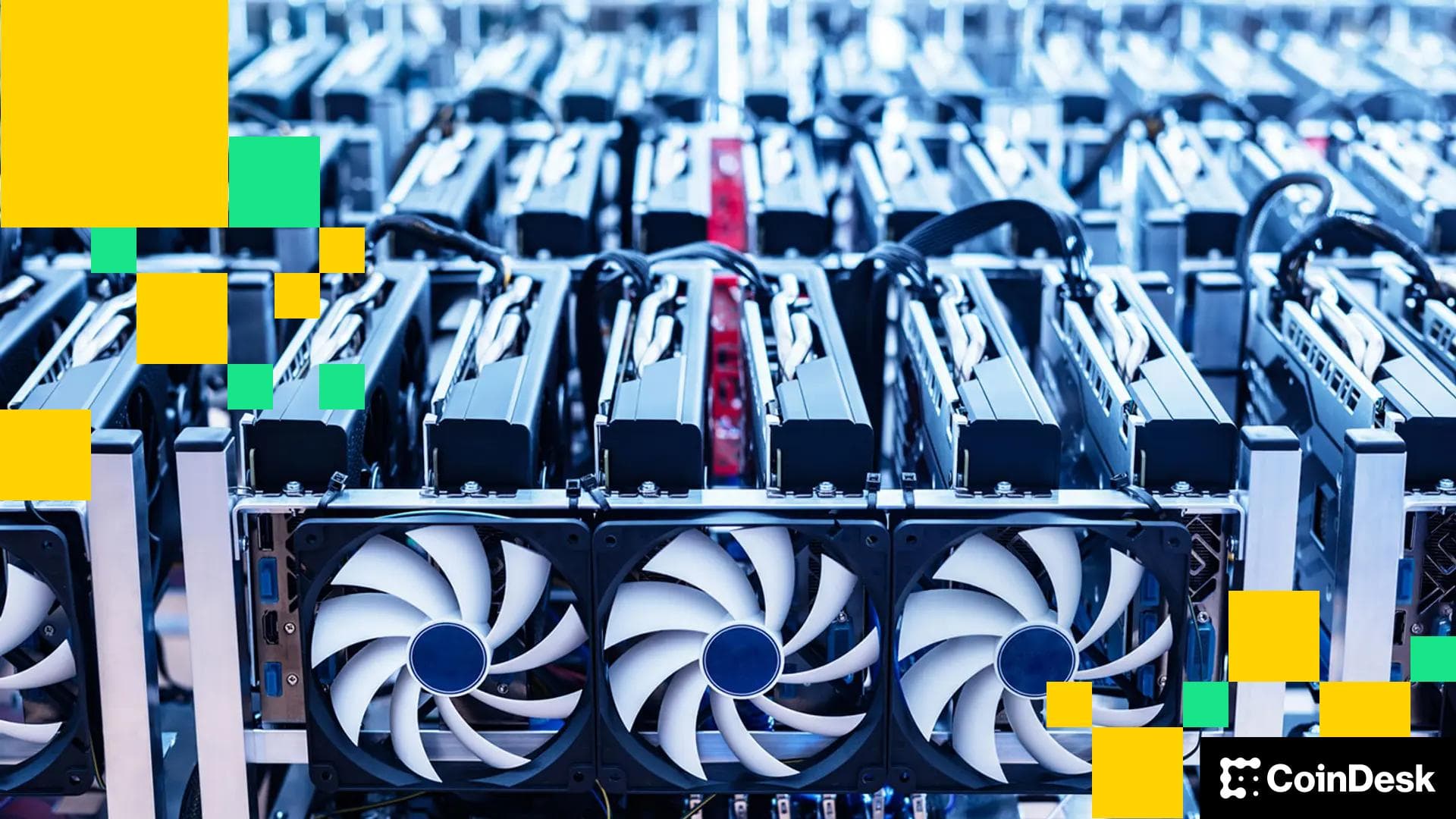
Look for on-chain or public dashboards showing active GPU nodes. If a project claims to run large language models but has no verifiable compute power, it’s likely a shell. Real infrastructure requires physical hardware, not just code.

AI is only as good as its data. Check if the project has partnerships for high-quality datasets or if it’s scraping public data without proper licensing. High-volume data usage indicates a project that is actually training models, not just storing tokens.
Open-source development is the heartbeat of crypto infrastructure. Look for consistent GitHub commits, active issue resolution, and a growing contributor base. Dead repos are a red flag, no matter how good the tokenomics look.

Tokens should have a clear purpose, such as paying for compute resources or staking to secure the network. Avoid projects where the token is only useful for voting or speculation. Utility drives long-term value in infrastructure plays.


As an Amazon Associate, we may earn from qualifying purchases.
Frequently asked questions about crypto AI infrastructure
Which crypto is most tied to AI?
Bittensor (TAO) currently holds the strongest position as the leading AI-focused cryptocurrency. It operates a decentralized machine learning network where participants contribute computing power and data to train models. This infrastructure allows the network to scale AI capabilities without relying on a single centralized provider. Other notable projects include NEAR Protocol, Render Network (RNDR), and the Artificial Superintelligence Alliance (FET), which are building essential layers for AI compute and data markets.
Is crypto AI infrastructure a good investment?
Investing in AI infrastructure tokens carries high volatility and technical risk. These projects are still emerging, and their tokenomics often depend on complex network effects rather than immediate revenue. While the demand for decentralized compute is growing, many protocols struggle with adoption compared to traditional cloud providers. You should treat these assets as speculative bets on the future of decentralized AI rather than stable income sources.
How do AI crypto projects differ from regular tokens?
Standard utility tokens usually facilitate transactions within a specific app, but AI infrastructure tokens power the underlying compute and data layers. Projects like Render Network provide GPU power for rendering, while Bittensor distributes machine learning training tasks. This distinction means their value is tied to actual computational demand and network usage, not just speculative trading volume.
No comments yet. Be the first to share your thoughts!