What defines crypto ai infrastructure
When people talk about AI in crypto, they usually picture a chatbot or a trading bot. That is the consumer layer. Crypto AI infrastructure is the layer underneath it—the foundational rails that make onchain intelligence possible. Without these rails, AI models cannot access the data, compute, or settlement layers required to operate at scale.
Think of it like the difference between a car and the highway system. The AI applications are the cars; they are what you see and interact with. The infrastructure is the asphalt, the traffic lights, and the fuel stations. It includes decentralized compute networks that provide processing power, data marketplaces that feed models accurate information, and specialized blockchains designed for high-throughput model inference.
This distinction matters because the value accrues differently. Consumer apps capture user attention, but infrastructure captures the underlying utility. As the sector matures, the focus shifts from flashy interfaces to the robust networks that ensure AI outputs are verifiable, scalable, and trustless. The big bet here is not just on smarter algorithms, but on open, scalable infrastructure that removes the central points of failure inherent in traditional cloud AI.
Leading Compute and Data Projects
The crypto AI infrastructure stack relies on two distinct layers: decentralized compute and data availability. While model training and inference demand raw processing power, these models are only as good as the data they consume. The projects leading this charge are building the physical and digital rails for decentralized AI.
Bittensor (TAO) operates a decentralized machine learning network where miners earn rewards for providing useful AI services. It functions like a marketplace for intelligence, allowing anyone to contribute compute or data and get compensated in TAO. This model scales efficiently, avoiding the bottlenecks of centralized cloud providers.
Render Network (RNDR) focuses on GPU rendering, a task that is computationally intensive and perfect for decentralization. By tapping into idle GPU capacity, Render provides a cost-effective alternative to traditional cloud rendering services. This capability is critical for generating the high-fidelity assets needed for AI training and creative applications.
For data, Ocean Protocol (now part of the Artificial Superintelligence Alliance) pioneered decentralized data marketplaces. It allows data providers to monetize their datasets while ensuring privacy through tokenized access. As AI models require more diverse and high-quality data, these decentralized data layers become just as important as the compute itself.
These projects form the backbone of the crypto AI infrastructure ecosystem. They solve the scalability and cost issues inherent in centralized AI development, creating a more open and accessible market for artificial intelligence.
How miners are pivoting to ai
The crypto mining sector is undergoing a structural shift. Traditional miners are moving away from pure proof-of-work hashing and reallocating their capital toward AI infrastructure deals. This pivot is reshaping the supply dynamic for computational power, creating a new layer of demand for high-performance GPUs and data center space.
This transition is not just about upgrading hardware; it is a fundamental change in business model. Miners are leveraging their existing expertise in power management and cooling to serve AI training and inference workloads. The result is a more stable, infrastructure-driven revenue stream that contrasts with the volatility of traditional crypto mining.
The trade-off is clear: AI offers slower, compounding growth through long-term infrastructure contracts, while traditional crypto mining remains fast and volatile. As miners adapt, the market is seeing a consolidation of resources toward projects that can bridge the gap between decentralized compute and AI needs. This shift underscores the growing importance of crypto AI infrastructure in the broader tech landscape.
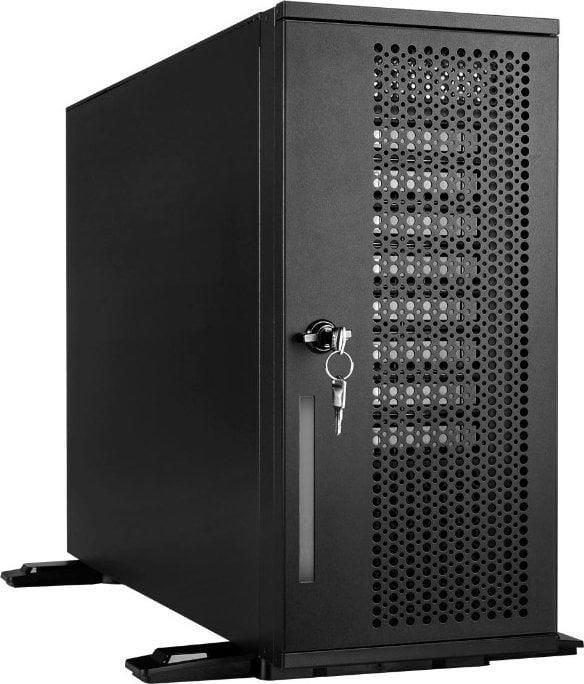
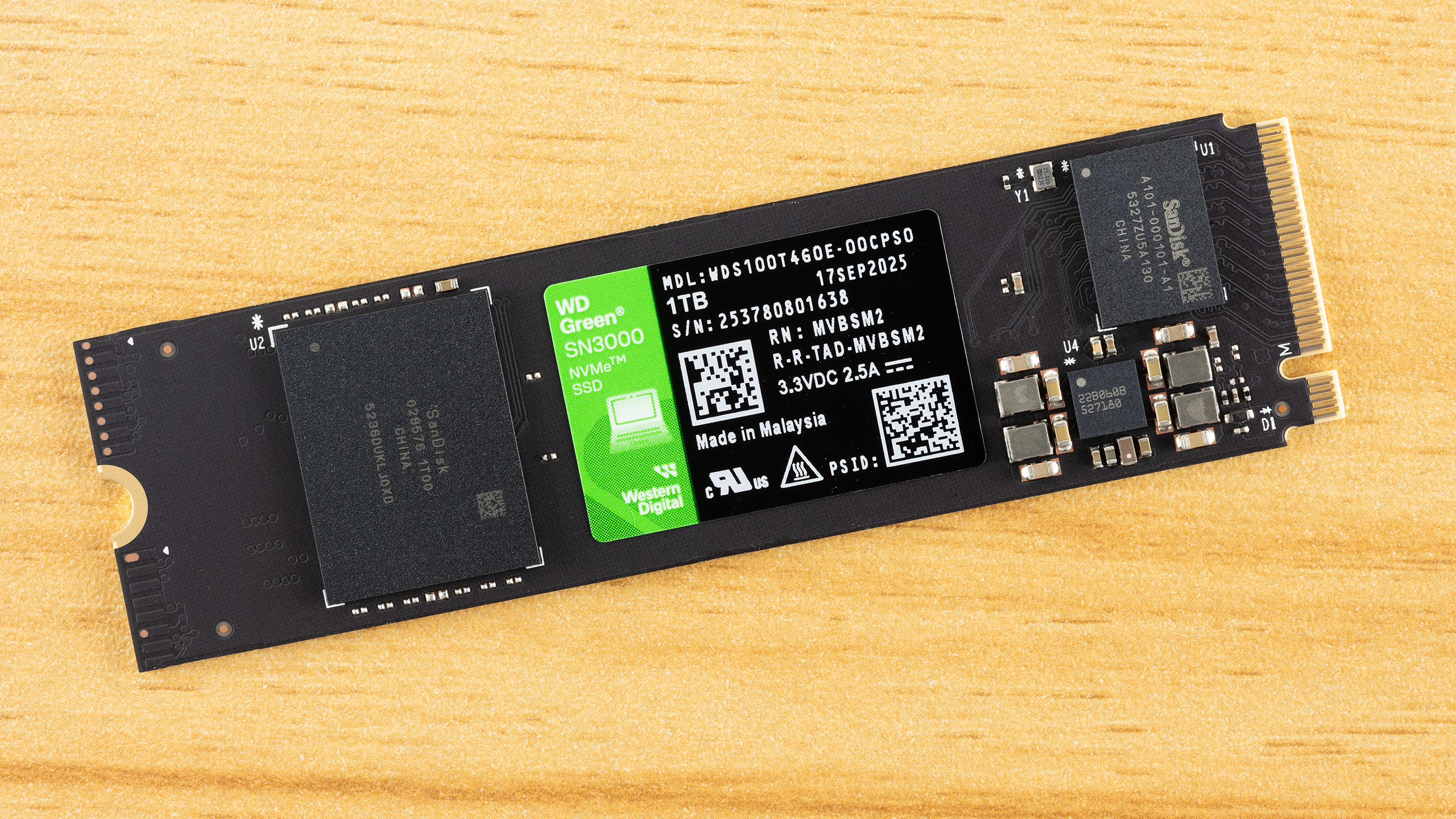
For readers looking to equip themselves with the necessary tools to participate in this evolving space, consider the following hardware options:

As an Amazon Associate, we may earn from qualifying purchases.
Choosing the Right Crypto AI Infrastructure Model
Building or integrating crypto AI infrastructure requires picking a compute model that balances speed, cost, and trust. The landscape generally splits into two camps: centralized cloud providers and decentralized networks. Each approach offers distinct advantages for different stages of development and deployment.
Centralized Cloud Infrastructure
Centralized providers like AWS, Google Cloud, and Azure remain the standard for training large language models and running high-frequency inference tasks. The primary benefit is reliability and speed. You get dedicated hardware, established security protocols, and predictable latency. However, this comes at a premium cost and introduces a single point of failure. If the provider experiences an outage or changes its terms, your AI operations halt immediately. This model suits projects where uptime is non-negotiable and budget is less constrained than control.
Decentralized Compute Networks
Decentralized infrastructure, such as Render Network or Bittensor, distributes compute tasks across a global network of nodes. This approach often lowers costs by utilizing idle GPU capacity from around the world. It also enhances censorship resistance and data privacy, as no single entity controls the entire stack. The trade-off is complexity. Integrating with decentralized protocols requires handling node variability and potential latency spikes. For crypto AI infrastructure projects focused on open-source model training or decentralized data marketplaces, this model offers significant long-term resilience.
Side-by-Side Comparison
The table below breaks down the key differences to help you evaluate which model fits your specific use case.
| Feature | Centralized Cloud | Decentralized Network |
|---|---|---|
| Cost | High (premium pricing) | Lower (market-driven) |
| Latency | Low (dedicated hardware) | Variable (node-dependent) |
| Trust | Provider-dependent | Code and consensus |
| Scalability | Vertical/Horizontal | Global network |
| Complexity | Low (managed service) | High (integration required) |
Which Model Wins?
For most early-stage crypto AI infrastructure projects, a hybrid approach is emerging. Use centralized clouds for initial model training due to its stability, then deploy inference layers on decentralized networks to reduce ongoing operational costs. This strategy allows you to balance the immediate need for performance with the long-term economic benefits of decentralization. As the market matures, expect more specialized tools that bridge these two worlds, making the transition smoother for developers.
Technical analysis for ai tokens
Analyzing crypto AI infrastructure requires more than just glancing at a price ticker. These assets operate in a high-volatility environment where sentiment can shift faster than fundamentals. A technical approach helps you identify trends before the broader market reacts, but relying on static screenshots is a mistake. You need live, provider-backed charts to see real-time liquidity and volume spikes.
Start with the major players like Render Network (RNDR) or Bittensor (TAO). Their price action often leads the sector, setting the tone for smaller cap AI projects. When RNDR breaks a key resistance level on high volume, it usually signals capital rotation into the broader crypto AI infrastructure space. Watching these leaders gives you a pulse on where the smart money is moving.
Don't ignore the broader context. The AI token market is tightly correlated with general crypto market health and specific tech sector news. A breakout in AI tokens rarely happens in isolation. If the overall market is consolidating, even strong AI fundamentals might not push prices higher until liquidity returns. Always check the Bitcoin dominance and Ethereum trends alongside your AI token charts.
Volume is your best friend here. Low volume breakouts are often traps. Look for sustained volume increases that confirm price movements. This is especially true for mid-cap AI projects, which can be prone to pump-and-dump schemes. If you see a price jump without a corresponding spike in trading volume, treat it with skepticism. Real momentum in crypto AI infrastructure is backed by genuine buying interest, not just thin order books.
5. Render Network (RNDR)
Render Network stands out as a foundational piece of crypto AI infrastructure, offering decentralized GPU rendering power. It allows users to rent out idle GPU capacity to creators and developers who need computational resources for 3D rendering, AI model training, and video processing. By tokenizing this hardware, Render creates a scalable, cost-effective alternative to centralized cloud providers.
The project has evolved significantly, transitioning to the Solana blockchain to improve transaction speed and reduce fees, which is critical for handling the high-frequency interactions typical of AI workloads. This shift has strengthened its position among top crypto AI infrastructure projects, attracting major studios and AI researchers looking for flexible compute resources.
Render’s utility is clear: it turns underutilized hardware into a liquid resource. For the broader AI ecosystem, this means faster iteration cycles and lower barriers to entry for developers who cannot afford dedicated GPU clusters. As AI models grow larger and more complex, the demand for distributed compute will only intensify, making Render a key player in the infrastructure layer.
Frequently asked: what to check next
What are the top 5 AI crypto projects?
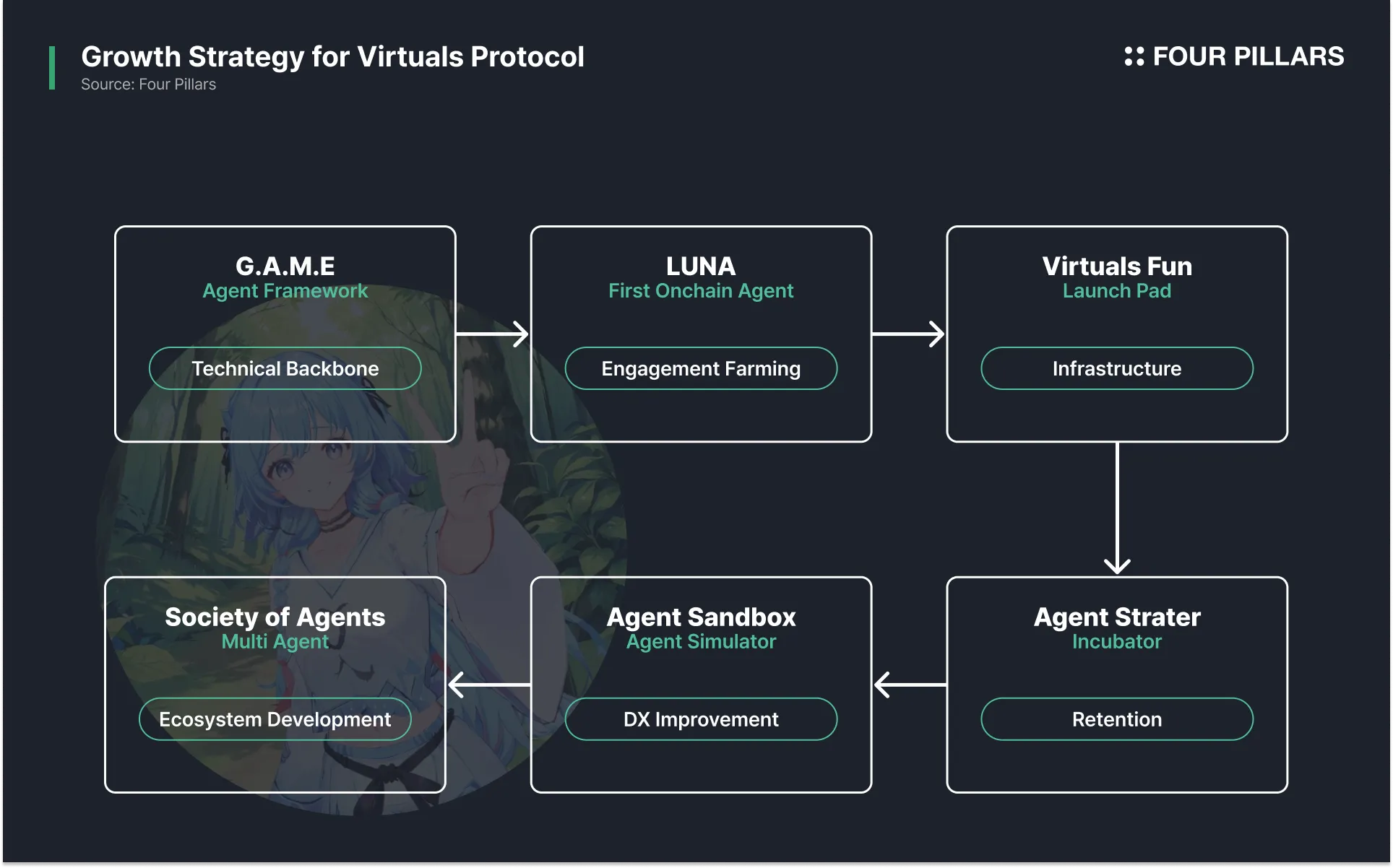
The leading names in crypto AI infrastructure typically include Bittensor (TAO), which operates a decentralized machine learning network; NEAR Protocol (NEAR), providing scalable blockchain infrastructure for AI applications; Artificial Superintelligence Alliance (FET), focused on autonomous AI agents; Render Network (RNDR), offering distributed GPU rendering; and Virtuals Protocol (VIRTUAL), enabling AI-driven virtual interactions.
Which crypto is working with AI?
Beyond the top-tier tokens, several projects integrate AI directly into their core utility. Ocean Protocol (OCEAN), now part of the ASI alliance, facilitates secure data sharing for AI training. Grass (GRASS) creates a decentralized network for AI data collection, while other emerging protocols are building specialized tools for AI-powered portfolio management and image generation.
Is crypto AI infrastructure a good investment?
The sector is high-stakes and volatile. While the integration of AI and blockchain offers significant technological potential, it also carries substantial risk. Investors should focus on projects with clear utility and active development rather than speculative hype. Always conduct your own research and consider your risk tolerance before entering this space.
No comments yet. Be the first to share your thoughts!