Get crypto ai infrastructure right
Before deploying capital or hardware, you must define the exact workload your nodes will handle. Crypto AI infrastructure is not a monolith; it ranges from lightweight data indexing to heavy GPU rendering for model training. A mismatch here is the most common cause of failed projects, leading to idle hardware or insufficient compute power.
Start by auditing your available resources. Determine if you have access to dedicated GPU clusters, high-bandwidth storage, or stable power supplies. Then, match these specs to the specific requirements of the DePIN protocol you intend to join. For example, rendering nodes often require high VRAM, while data oracle nodes need low latency and high uptime. Reviewing the official documentation of projects like 0G or Kite AI can clarify these hardware thresholds.
Finally, verify the economic model. Ensure the token rewards justify the electricity and hardware depreciation costs. Run the numbers against current network difficulty and token price volatility. If the margins are thin, the infrastructure will likely become unprofitable before the project matures. Treat this phase as a rigorous feasibility study, not a guess.
Set up your DePIN node
Deploying a DePIN node for AI compute requires careful hardware selection and network configuration. You are essentially renting out your machine's idle processing power to train models or serve inference requests. The process involves selecting the right protocol, installing the node software, and verifying your performance metrics.
Choose a compatible protocol
Not all AI infrastructure projects accept the same hardware. Start by identifying which DePIN networks align with your GPU capabilities. For example, Render Network prioritizes rendering workloads, while Akash Network offers a marketplace for general-purpose cloud compute. Evaluate the minimum VRAM requirements and supported frameworks (such as CUDA or ROCm) before purchasing hardware. Selecting a protocol that matches your existing tech stack reduces setup friction and ensures your node can actually participate in the network.
Configure hardware and networking
Stable connectivity is non-negotiable for earning rewards. Use a wired Ethernet connection rather than Wi-Fi to minimize latency and packet loss. Ensure your power supply unit (PSU) has sufficient headroom for peak GPU loads. Configure your firewall to allow inbound traffic on the specific ports required by your chosen protocol. Test your internet speed and port forwarding settings using the protocol’s diagnostic tools before going live. A misconfigured router can silently drop your node from the active worker pool.
Install and sync the node software
Download the official node binary or Docker container from the project’s verified repository. Avoid third-party installers that may contain malware or inefficient code. Initialize the node with your wallet address and API keys. The initial sync can take hours or days depending on the blockchain’s current state. Monitor the logs for errors related to consensus or peer discovery. Once synced, the node will begin receiving tasks and reporting proof of work.
Verify performance and earnings
After a few days of operation, check your dashboard to confirm task assignment rates. Compare your actual hashrate or inference speed against the network’s average. If performance lags, consider adjusting GPU clock speeds or checking for thermal throttling. Most protocols pay out in their native token on a weekly or bi-weekly cycle. Keep records of your uptime and task completion rates, as some networks use these metrics to determine your priority queue status.
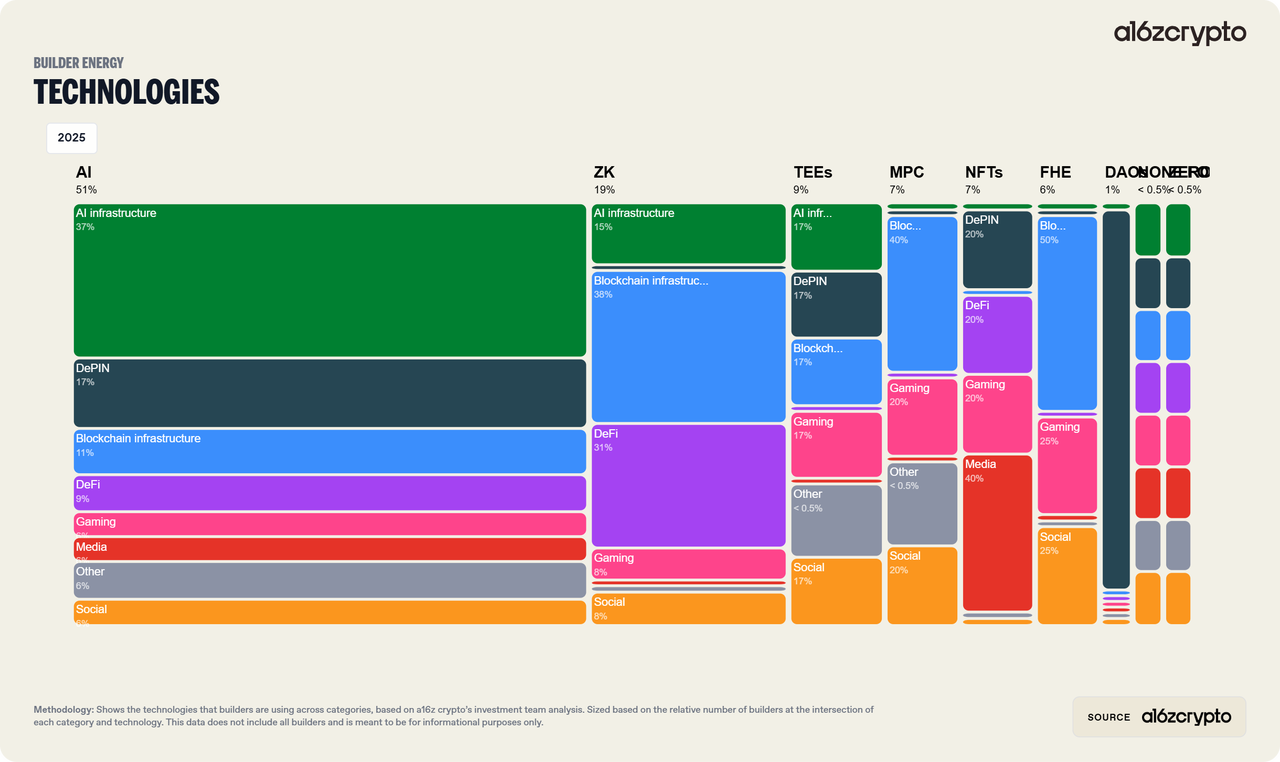
Review your GPU specs against the protocol’s minimum requirements. Check for supported drivers and kernel versions. Ensure your CPU and RAM meet the baseline for data preprocessing tasks.
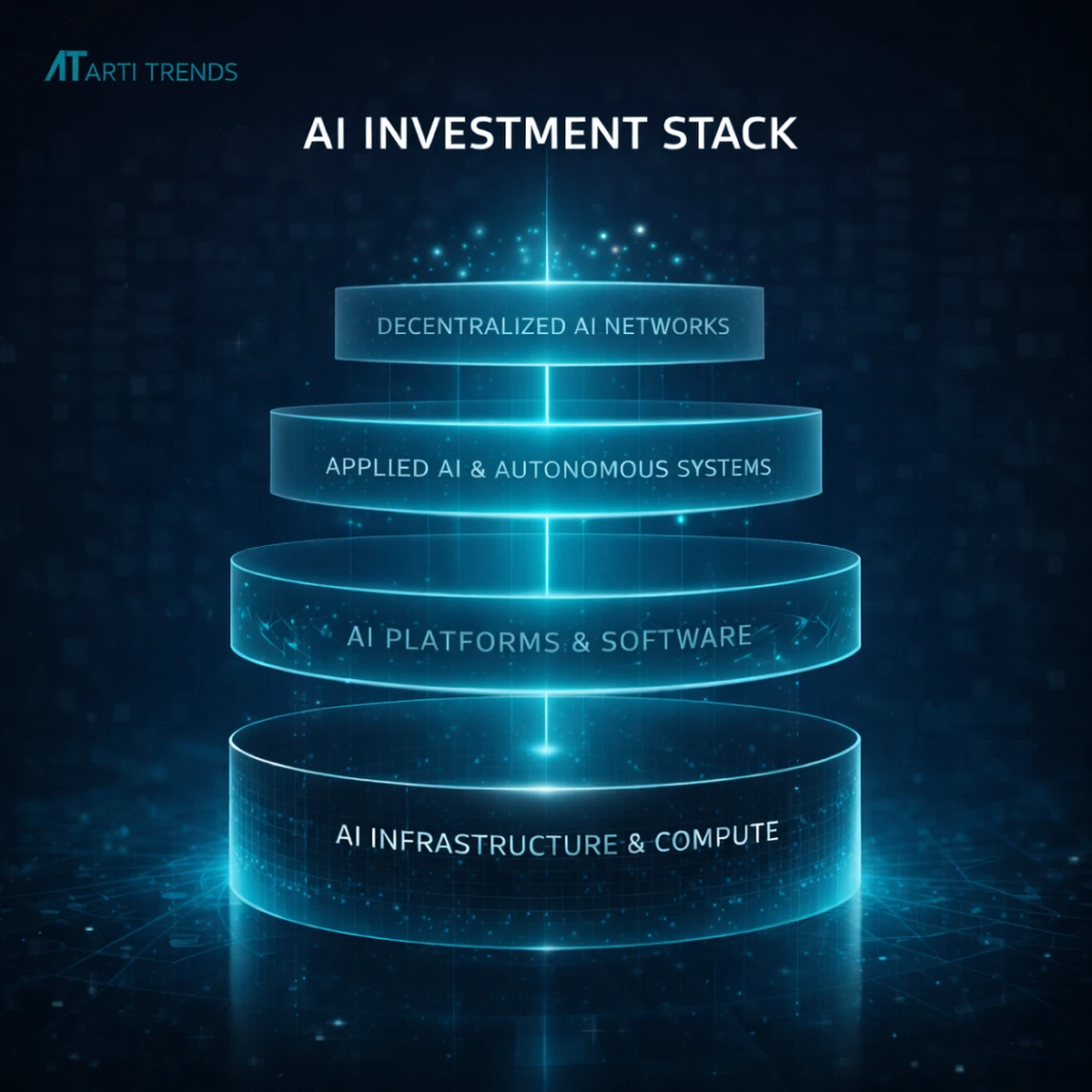
Set up static IP addresses and configure port forwarding. Enable a hardware firewall to block unauthorized access. Test your connection using the protocol’s public diagnostic endpoints to ensure ports are open and latency is low.
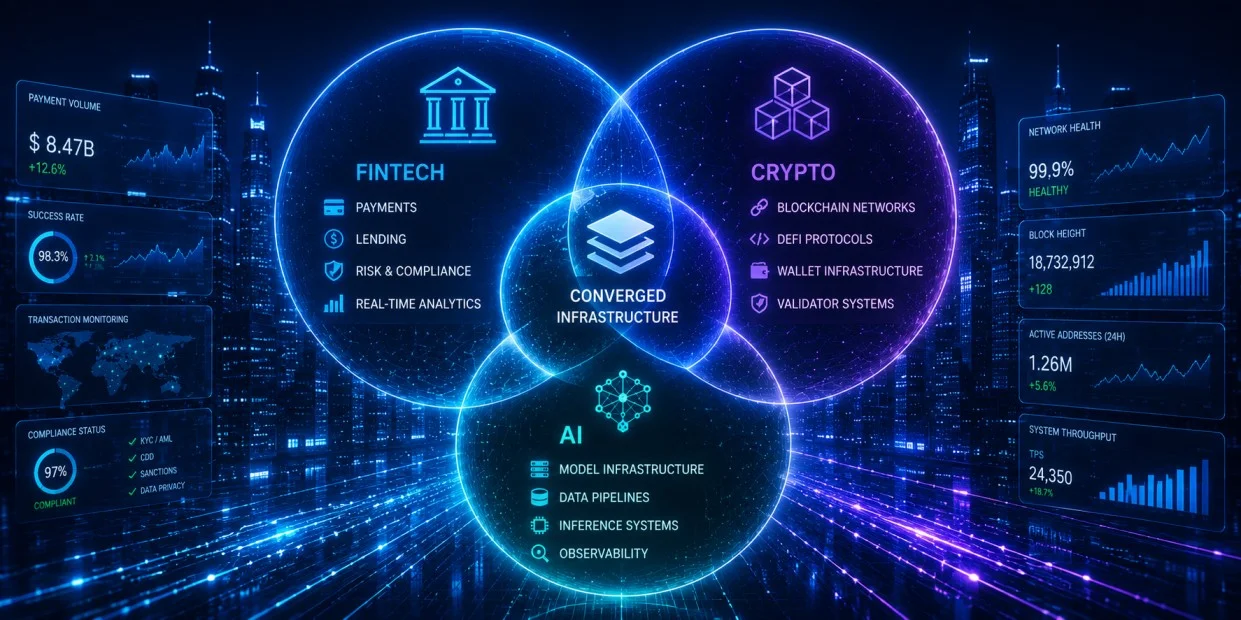
Install the official client via Docker or binary. Sync with the blockchain network. Verify your wallet address is correctly linked to the node configuration file.

Track uptime and task completion rates. Adjust cooling or power settings to prevent throttling. Rebalance your workload if the network demands specific compute profiles.
Fix common mistakes
Selecting high-performance DePIN nodes and onchain compute resources requires precision. The gap between a profitable infrastructure setup and a failed deployment often comes down to avoiding specific, preventable errors. Many operators overlook the nuances of hardware compatibility, network latency, and tokenomic sustainability until it is too late.
This section outlines the most frequent pitfalls in crypto AI infrastructure and provides concrete fixes to ensure your node operations remain robust and profitable in 2026.
Overlooking Hardware Compatibility
A common mistake is purchasing generic GPU hardware without verifying its compatibility with the specific AI model or compute framework required by the DePIN protocol. Not all GPUs support the necessary CUDA cores, memory bandwidth, or VRAM configurations for high-performance inference tasks.
The Fix: Before acquiring hardware, cross-reference the exact model specifications with the protocol’s official hardware requirements. Ensure the GPU supports the required compute capability (e.g., CUDA 12.x for NVIDIA stacks) and that the memory bandwidth can handle the batch sizes expected by the AI workload.
Ignoring Network Latency
DePIN nodes often require low-latency connections to communicate with other nodes or fetch data from oracles. Placing a node in a data center with poor peering or high packet loss can result in missed rewards or failed task completions.
The Fix: Choose a hosting provider with direct connections to major internet exchange points (IXPs) and low latency to the protocol’s primary nodes. Run ping tests and traceroutes to the protocol’s gateway servers before committing to a long-term contract.
Underestimating Power and Cooling Costs
High-performance AI nodes consume significant electricity. Many operators fail to account for the thermal output of multiple GPUs, leading to overheating, throttling, or even hardware failure. Additionally, ignoring local electricity rates can turn a profitable node into a money-losing asset.
The Fix: Calculate the total power draw (TDP) of all components and ensure your cooling solution can handle the heat output. Use power monitoring tools to track real-time consumption and compare it against local industrial or residential electricity rates to ensure positive ROI.
Neglecting Tokenomic Sustainability
Some projects offer high initial rewards but have unsustainable token emission schedules. Operators who join solely based on short-term APY often find their rewards devalued before the node has recouped its hardware costs.
The Fix: Analyze the project’s tokenomics, including emission schedules, vesting periods for team tokens, and the utility of the token within the ecosystem. Prefer projects with clear revenue models and sustainable inflation rates over those promising unrealistic yields.
Crypto ai infrastructure: what to check next
Before committing capital or hardware to decentralized compute, it helps to clarify what you are actually buying. The intersection of AI and blockchain is often marketed as a silver bullet, but the underlying mechanics are specific and technical. These answers address the most common points of confusion for investors and node operators entering the space.
Helpful gear
Use these product recommendations as a starting point, then choose the size, material, and price point that fit how you actually use the gear.

As an Amazon Associate, we may earn from qualifying purchases.
No comments yet. Be the first to share your thoughts!