Crypto AI infrastructure budget
Building a functional AI agent stack doesn't require enterprise-grade capital, but it does demand precise allocation. The cost of running onchain AI agents is dominated by three variables: compute time, data retrieval, and transaction fees. As Pantera Capital notes, the convergence of AI and blockchain lowers the marginal cost of information, but the infrastructure to secure and execute that information remains resource-intensive.
Start with the compute layer. Decentralized GPU networks like Render or Akash offer spot pricing that can be 60-80% cheaper than centralized cloud providers. For an agent running 24/7, this is the primary lever for budget control. Pair this with a lightweight LLM, such as Llama 3.1 8B, which fits comfortably within standard memory constraints without requiring A100-tier hardware.
Next, budget for data integrity. AI agents are only as good as their inputs. Use decentralized data oracles like Chainlink Functions to fetch real-time onchain data. While this adds a small fee per call, it prevents costly errors from hallucinated or stale data. The cost of a few cents per query is negligible compared to the cost of a failed transaction.
Finally, account for gas. On EVM chains, agent actions (trades, swaps, data writes) incur gas fees. Budget for a buffer of 10-20% above estimated costs to handle network congestion. For high-frequency agents, consider Layer 2 solutions like Base or Arbitrum, where gas costs are fractions of a cent, making micro-interactions economically viable.



As an Amazon Associate, we may earn from qualifying purchases.
The tradeoff is always between speed and cost. Centralized APIs are faster but more expensive and less private. Decentralized alternatives are cheaper and more sovereign but may have higher latency. For most indie agents, a hybrid approach works best: use decentralized compute for heavy lifting and centralized APIs for quick lookups.
Shortlist real options
The crypto AI infrastructure market has shifted from abstract concepts to tangible tooling. As Pantera Capital notes, the convergence of AI and blockchain lowers the cost of information production, enabling autonomous agents and digital identities. However, not all projects deliver the underlying compute or data access required for these applications.
To navigate this space, we compare the strongest infrastructure options based on their actual utility, market position, and technical approach. This section evaluates the top contenders for those seeking exposure to AI-driven blockchain development.
| Project | Primary Focus | Key Strength | Notable Risk |
|---|---|---|---|
| Render Network (RNDR) | Decentralized GPU Rendering | Established network for 3D rendering and AI compute | Competition from centralized cloud providers |
| Bittensor (TAO) | Decentralized Machine Learning | Incentivizes AI model production via a subnet protocol | Complex tokenomics and high volatility |
| Fetch.ai (FET) | Autonomous AI Agents | Strong partnerships for agent-to-agent economic activities | Execution risk in scaling agent networks |
| The Graph (GRT) | Blockchain Data Indexing | Critical infrastructure for querying on-chain data | Dependence on Ethereum ecosystem growth |
| Akash Network (AKT) | Decentralized Cloud Compute | Cost-effective alternative to AWS/GCP for AI workloads | Lower brand recognition compared to Render |
These platforms represent different slices of the AI infrastructure pie. Render Network dominates the visual computing sector, while Bittensor creates a marketplace for machine learning intelligence. Fetch.ai focuses on the application layer with autonomous agents, and The Graph provides the data layer necessary for any decentralized application to function.
When evaluating these options, look beyond the token price. The strength of an AI crypto project lies in its ability to deliver reliable, low-latency compute or data access. Projects like Akash Network offer a compelling value proposition by decentralizing cloud infrastructure, which is essential for training and running large language models without relying on centralized providers.
Inspect the expensive parts
Building AI infrastructure for crypto is capital intensive. A single misstep in hardware selection or network configuration can drain budgets before the first agent goes live. This checklist targets the failure points that cost the most to fix later.
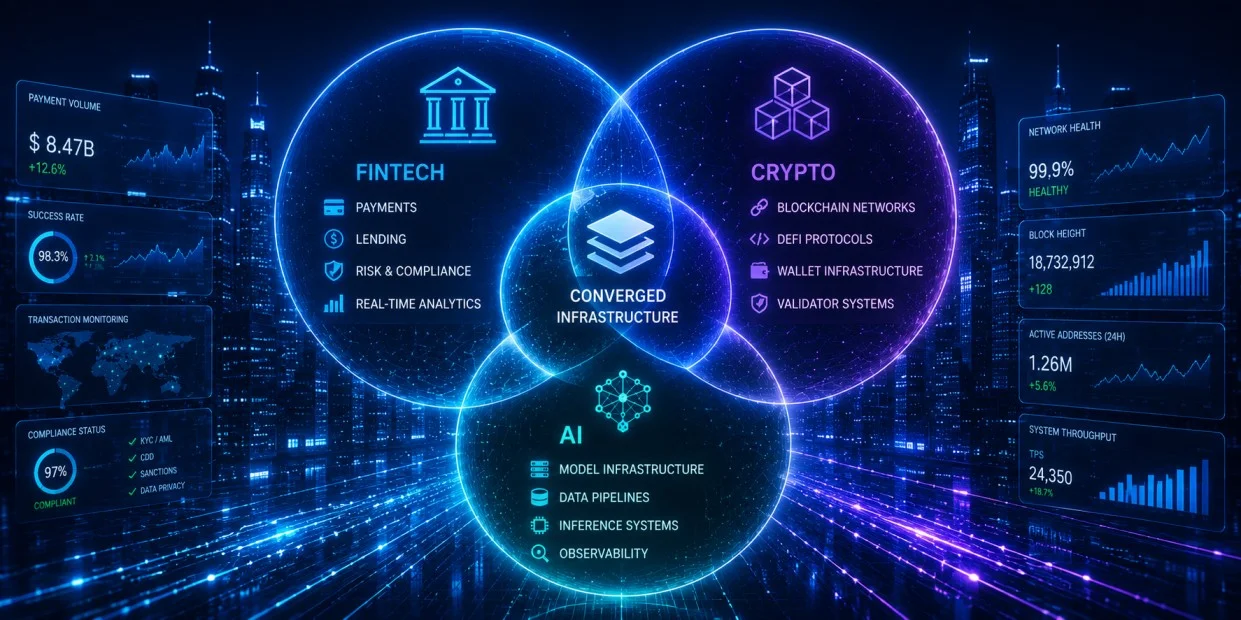
AI agents require high-throughput data movement. Standard consumer cards often bottleneck during inference. Check for HBM3 memory and PCIe Gen 5 support. If the architecture isn't optimized for parallel processing, your costs per token will skyrocket.
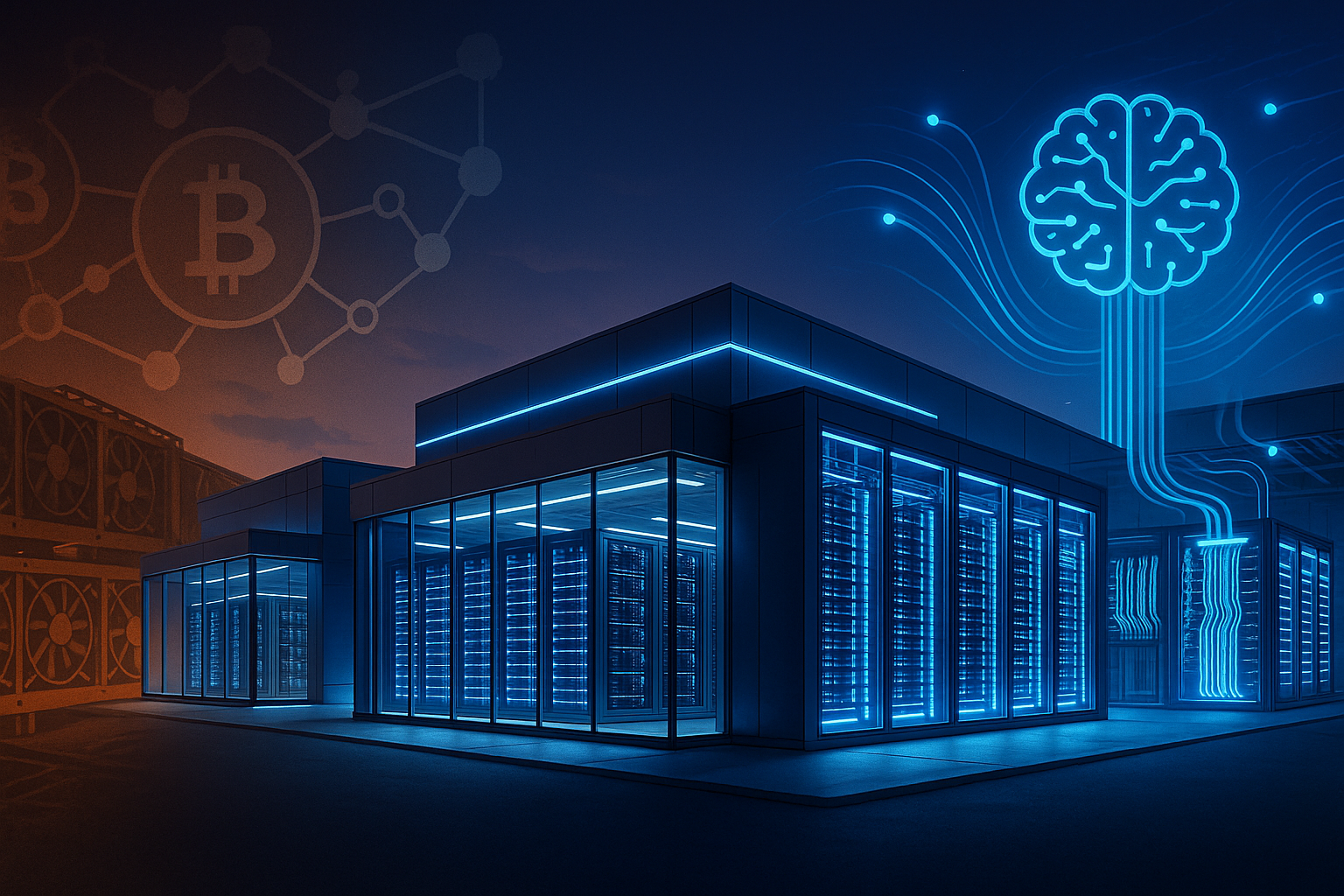
Centralized data providers create single points of failure. Pantera Capital notes that AI lowers the cost of information production, but only if the data is accessible and trustworthy. Ensure your nodes can pull from decentralized storage networks to maintain sovereignty and uptime.
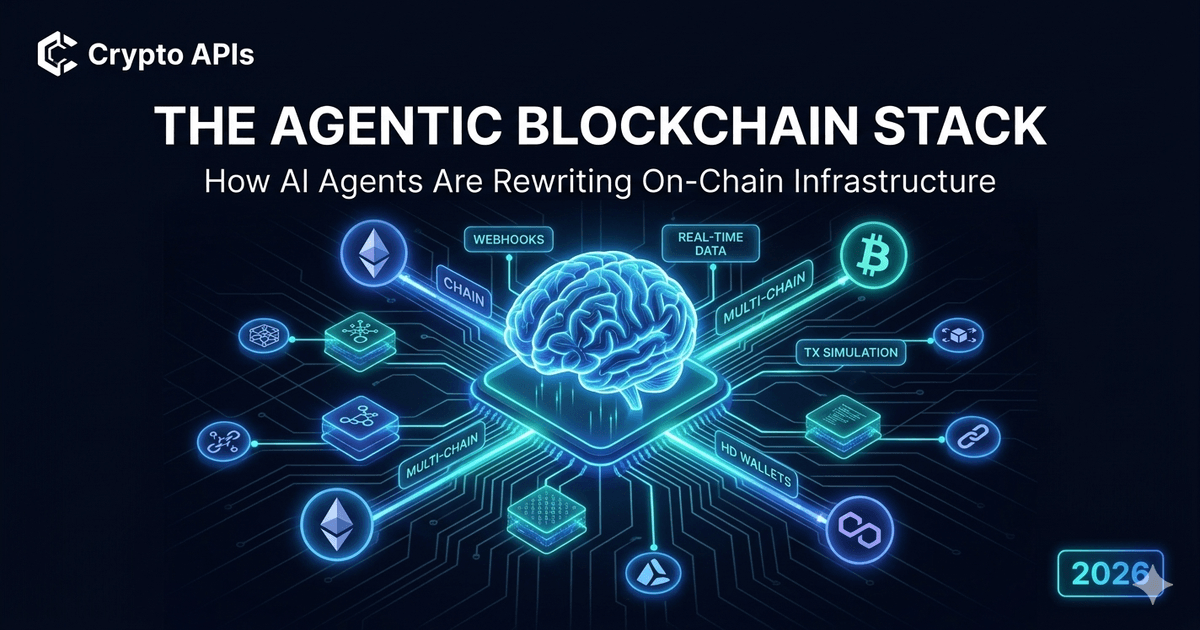
On-chain AI agents must interact with contracts autonomously. Gas fees can spike unpredictably during network congestion. Simulate high-load scenarios to ensure your agent doesn't run out of funds or get stuck in pending states. Set strict gas price caps in your code.
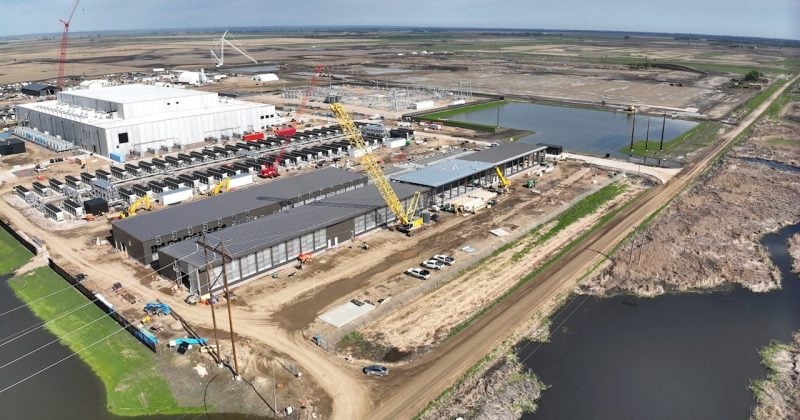
AI agents need keys to sign transactions. If these keys are exposed in logs or unencrypted databases, they will be drained. Use hardware security modules (HSMs) or multi-party computation (MPC) wallets. Never store private keys in plain text within your AI model's context window.


As an Amazon Associate, we may earn from qualifying purchases.
Plan for ownership costs
The upfront price of a node or hardware setup is rarely the final cost of ownership. In decentralized AI infrastructure, the real expense comes from the ongoing requirements to keep the system running and relevant. As Pantera Capital notes, AI lowers the cost of producing information, but that abundance requires robust infrastructure to process and verify it effectively.
When evaluating onchain AI agents, look beyond the sticker price. Consider electricity consumption, cooling needs, and the frequency of hardware upgrades. A cheap GPU today may become obsolete quickly as model sizes grow, forcing you to replace equipment sooner than anticipated. This is where a low initial buy can become expensive over time.
Maintenance surprises often include software updates, security patches, and network connectivity issues. Ensure your setup has redundant power and internet connections. Without these, downtime can lead to missed rewards or failed agent operations, eroding any initial cost savings.


As an Amazon Associate, we may earn from qualifying purchases.
Choose tools that balance performance with energy efficiency. A slightly more expensive but power-efficient setup often pays for itself in lower electricity bills and longer hardware lifespan.
Crypto ai infrastructure: what to check next
We get asked the same practical questions before building an AI agent stack. Here are the direct answers to the most common objections.
The key is matching the tool to the job. Don't buy a GPU rental token if you just need data storage. Be specific about what your agent actually does before you pick a token.
No comments yet. Be the first to share your thoughts!