Budget fit for crypto ai infrastructure
Buying hardware for decentralized AI workloads is less about picking the fastest chip and more about matching the machine to the job. A GPU that idles while waiting for data is money burned. A CPU that overheats during inference is a fire hazard. The right budget fit balances price, age, and condition against the specific demands of your node.
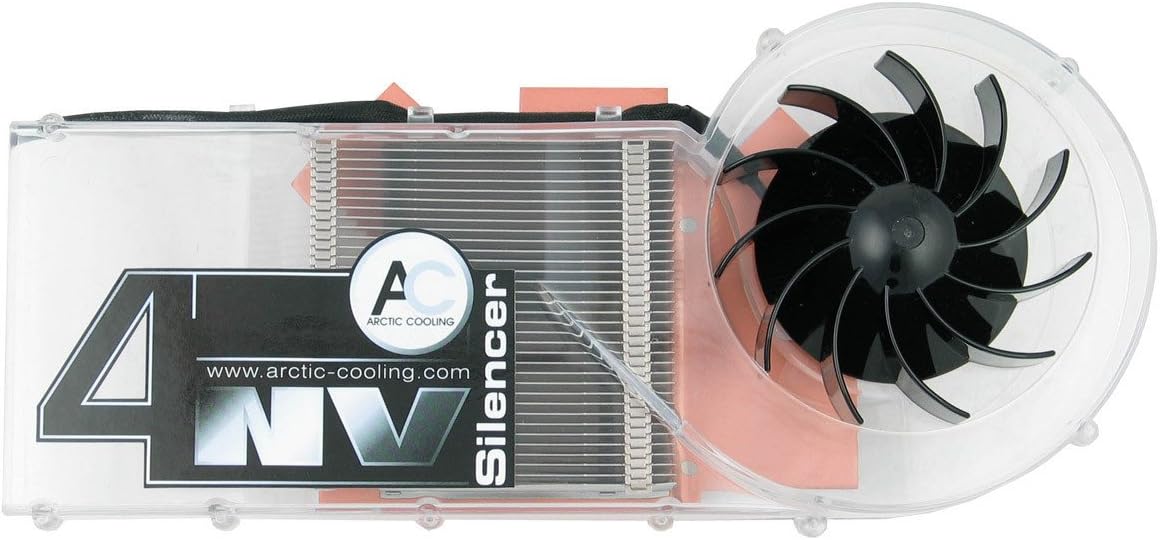
New equipment offers the safest warranty and full efficiency, but the premium is steep. Used enterprise GPUs, like the NVIDIA A100 or H100, can drop 40-60% in value once they leave the rack. These cards are powerful but often show signs of heavy mining or training wear. Check fan bearings and thermal paste before buying. If you are building a cluster, mixing new consumer cards with used enterprise gear can save cash but complicates driver management.
For smaller setups, older consumer cards like the RTX 3090 remain viable for local inference. They are cheaper and easier to cool than datacenter alternatives. However, they lack the VRAM needed for large language models. If your budget is tight, prioritize VRAM capacity over raw compute speed. You can always upgrade the CPU or RAM later, but you cannot add VRAM to a fixed GPU.
Always factor in electricity costs. A used card that draws 300 watts might seem like a bargain, but it will cost more in power than a newer, efficient model over two years. Check the power draw per teraFLOP. If the hardware does not fit your electricity budget, the upfront savings are irrelevant.


As an Amazon Associate, we may earn from qualifying purchases.
Shortlist real options
The crypto AI infrastructure sector has shifted from abstract concepts to tangible hardware and network solutions. As AI lowers the cost of information production, the demand for decentralized compute and storage is rising. This section compares the strongest real-world options available to investors and builders, focusing on concrete utility rather than speculative narratives.
We evaluate three primary categories: decentralized compute networks, specialized storage protocols, and hybrid infrastructure tokens. Each serves a different role in the AI stack, from training models to storing vast datasets.
| Project | Infrastructure Type | Primary Focus | Risk Profile |
|---|
Decentralized Compute (Render, Akash)
These platforms provide GPU power to AI developers who cannot afford centralized cloud costs. Render Network specializes in high-performance graphics rendering, which overlaps significantly with AI training workloads. Akash offers a more general-purpose marketplace for cloud compute, allowing developers to bid on unused server resources. Both reduce reliance on single providers like AWS or Azure.
Decentralized Storage (Filecoin, Arweave)
AI models require massive, diverse datasets. Filecoin and Arweave offer permanent, decentralized storage solutions. Filecoin is a dynamic marketplace with variable pricing, while Arweave focuses on one-time payments for permanent data retention. This permanence is critical for AI transparency and reproducibility, ensuring training data remains accessible. The broader market context matters. As noted by Matthew Sigel, AI infrastructure investments are currently outperforming much of the broader crypto market. This trend reflects a maturation of the sector, where real-world utility drives value more than speculative hype. Investors should focus on projects with active developer usage and clear revenue models.
When selecting infrastructure tokens, look for those with established partnerships and measurable network usage. Avoid projects that promise AI capabilities without clear technical implementation. The convergence of AI and blockchain is real, but the winners will be those that solve specific infrastructure problems efficiently.
Inspect the expensive parts
Building AI infrastructure for crypto is capital-intensive. A single misstep in hardware selection or network configuration can burn through thousands of dollars in wasted electricity, degraded performance, or failed deployments. Before committing funds to large-scale node operations or data center partnerships, run through this practical inspection checklist. Focus on the components where failure costs the most.
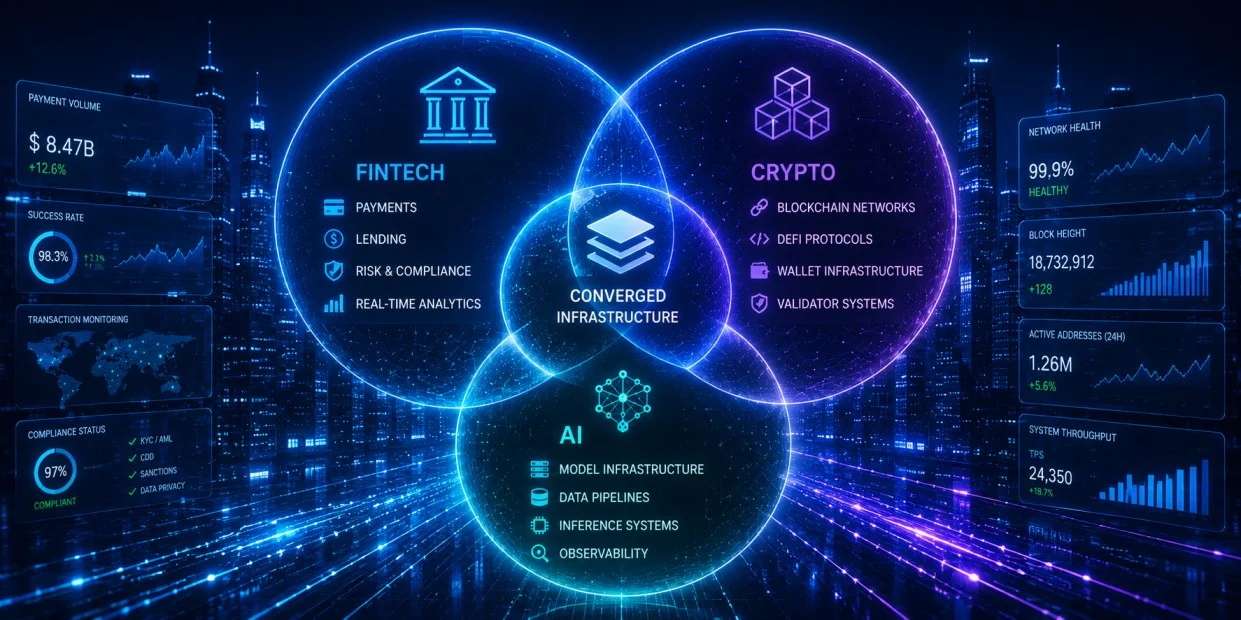
AI workloads demand high-performance GPUs like the NVIDIA H100 or A100. Ensure your provider guarantees actual hardware access, not just shared cloud instances. More importantly, check the cooling infrastructure. AI chips generate immense heat; inadequate cooling leads to thermal throttling, which destroys throughput and shortens hardware lifespan.
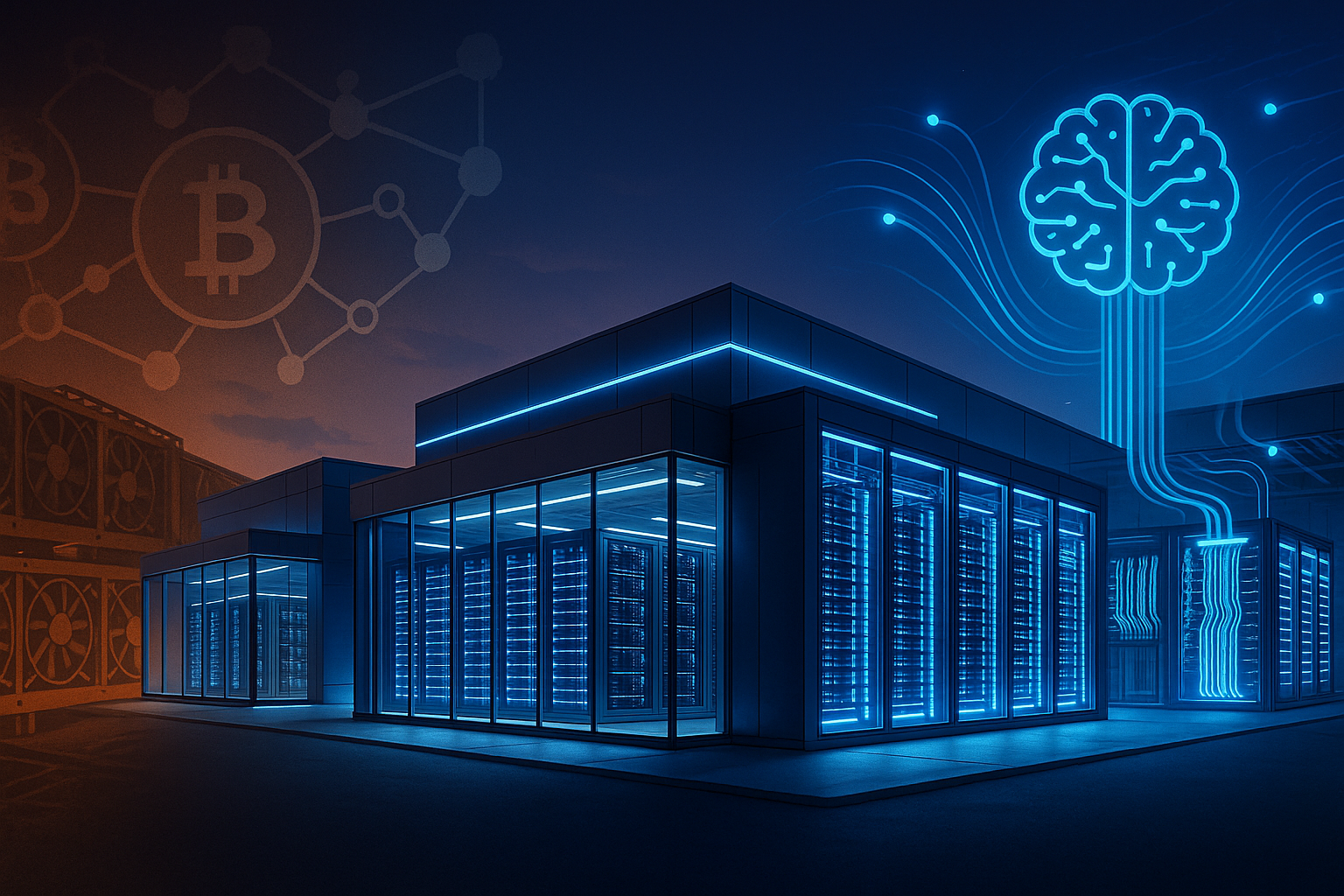
Decentralized AI relies on rapid data synchronization across nodes. High latency breaks consensus or slows inference times. Test the network connection with tools like ping and iperf3. Look for dedicated fiber connections with low jitter. If your nodes are spread across regions, ensure the bandwidth cost doesn’t exceed the value of the data being processed.
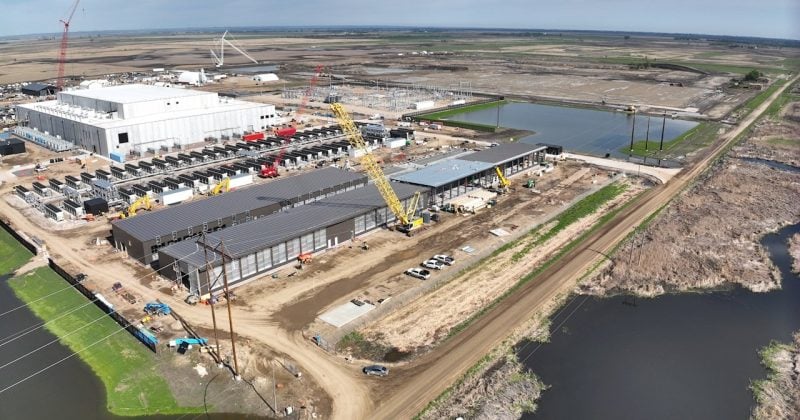
Power is your largest ongoing expense. Verify that the facility has redundant power feeds (UPS and generators) to prevent downtime during outages. Calculate the cost per kilowatt-hour (kWh). If the rate is above $0.05/kWh, your profit margins will be thin unless you are processing high-value AI tasks. Ask for historical uptime records to ensure reliability.

One benefit of decentralized AI infrastructure is improved data privacy. Ensure your setup allows you to retain control over sensitive data. Check if the hardware supports confidential computing or encrypted enclaves. If you are using a third-party provider, review their data retention policies to ensure they cannot access or sell your proprietary information.
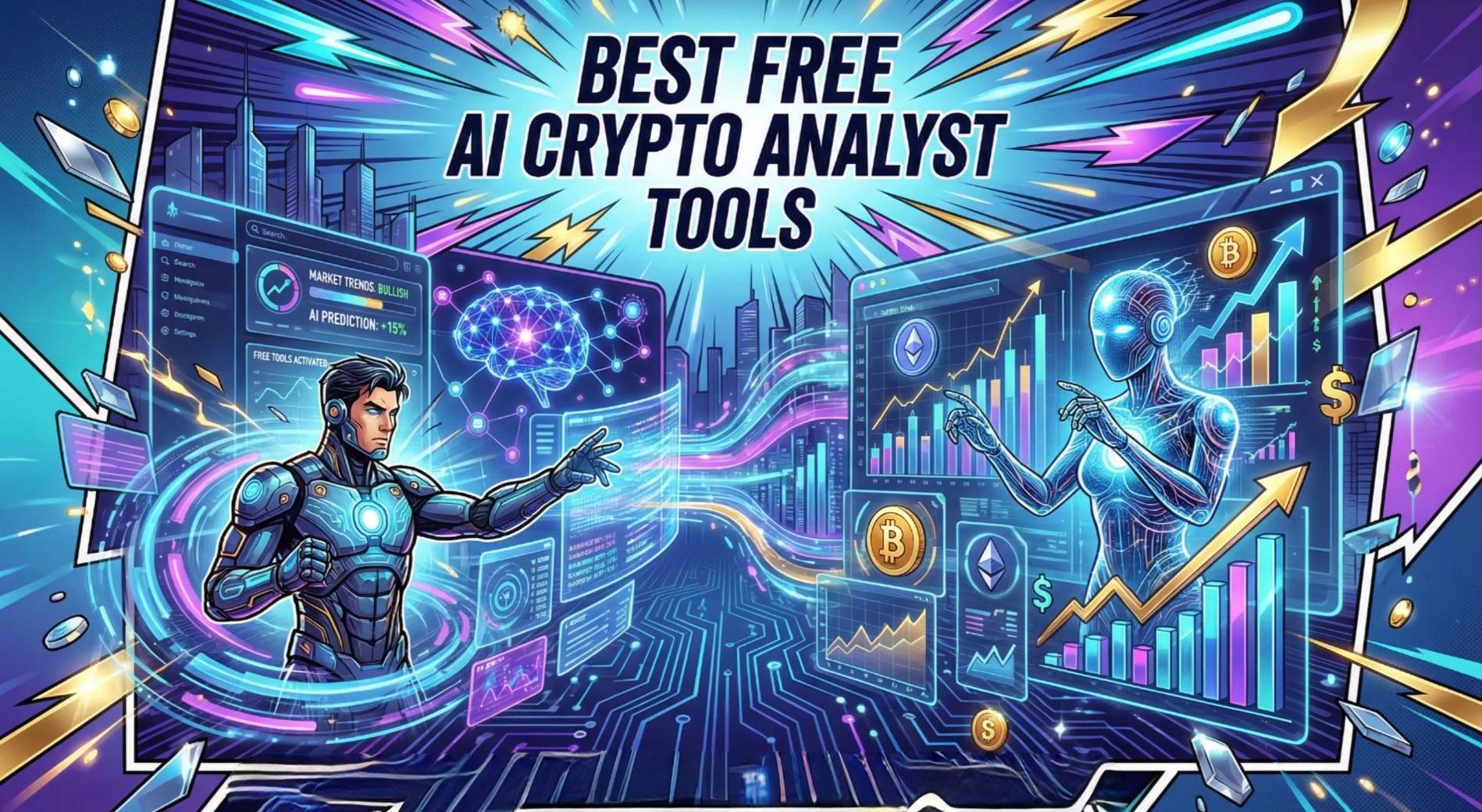
AI hardware becomes obsolete quickly. Plan for hardware refresh cycles every 2-3 years. Factor the depreciation cost into your operational budget. Consider leasing options if cash flow is tight, but ensure the lease terms allow for easy upgrades to newer models. Avoid locking into long-term contracts with outdated hardware.
By systematically checking these five areas, you reduce the risk of catastrophic financial loss. Infrastructure is only as strong as its weakest link, and in AI, that link is often power or cooling.
Plan for ownership costs
Buying the hardware is the easy part. The real expense in crypto AI infrastructure comes from the ongoing costs of keeping that hardware running, connected, and profitable. A cheap upfront buy often stops being cheap when you factor in electricity, cooling, and the constant need for maintenance.
Electricity and cooling
AI workloads are power-hungry. GPUs generate significant heat, requiring robust cooling solutions that add to your monthly utility bills. Before purchasing, calculate the expected power draw of your target hardware and compare it against local electricity rates. If your power costs are high, even a powerful machine may struggle to break even.
Maintenance and downtime
Hardware fails. Drivers crash. Software updates break configurations. You need to budget time for troubleshooting or pay for someone to do it for you. Downtime means lost revenue. Plan for regular maintenance windows and keep spare parts on hand to minimize the time your infrastructure is offline.
When a cheap buy stops being cheap
Entry-level hardware might look attractive, but it often lacks the efficiency or durability of higher-end models. You may find yourself replacing components sooner or paying more in energy costs over time. Evaluate the total cost of ownership (TCO) over three to five years, not just the initial price tag.


As an Amazon Associate, we may earn from qualifying purchases.
The hidden cost of connectivity
Stable, high-bandwidth internet is non-negotiable for crypto AI nodes. If your connection drops, you miss out on rewards. Consider a backup internet source, such as a cellular hotspot, to ensure continuous uptime. This redundancy is a small insurance policy against significant revenue loss.
Crypto AI Infrastructure FAQ
Investing in the intersection of artificial intelligence and blockchain requires understanding both the technological utility and the market dynamics. Here are answers to the most common questions about building or buying into this sector.
No comments yet. Be the first to share your thoughts!