What crypto AI infrastructure actually is
Crypto AI infrastructure isn't just a single app or token. It's a stack of decentralized networks that replace the centralized cloud providers running today's AI models. Think of it as breaking the big, monolithic data centers into a global, peer-to-peer grid. This shift allows anyone with hardware or data to participate in the AI economy, rather than relying on a few tech giants.
At its core, this infrastructure splits into three main layers: compute, data, and models. Each layer addresses a specific bottleneck in traditional AI development.
Compute is the most visible layer. It involves renting out unused GPU power from individuals and small farms to train or run AI models. Projects like Render Network and Akash Network aggregate this distributed power, creating a marketplace where AI developers can access scalable processing without the high costs of centralized cloud contracts. This is crucial for tasks that require massive parallel processing, like rendering graphics or training large language models.
Data is the fuel for AI, but it's often siloed or used without consent. Decentralized data layers, such as Ocean Protocol, allow data owners to monetize their information directly. Instead of selling data to a single corporation, users can license their datasets to AI researchers or companies on a per-use basis. This creates a more open and transparent data ecosystem, ensuring that the information used to train models is diverse, verified, and fairly compensated.
Models refer to the actual AI algorithms themselves. Decentralized model networks, like Bittensor, enable the creation and sharing of AI models across a distributed network. Developers can contribute to the network by improving models or providing specific capabilities, and they are rewarded with tokens for their contributions. This fosters innovation and reduces the risk of a single entity controlling the most advanced AI capabilities.
By combining these layers, crypto AI infrastructure aims to create a more open, scalable, and trustless system for AI development. It empowers individuals and organizations to harness the potential of AI while maintaining sovereignty over their data and computational resources.
This structure is why projects like NEAR Protocol and Artificial Superintelligence Alliance (FET) are gaining traction. They aren't just building apps; they're building the underlying rails for a new AI economy. Understanding these layers helps you evaluate which tools offer real utility versus those that are just riding the hype.
As the sector matures, we'll see more integration between these layers. A single project might offer compute, data, and model capabilities, creating a full-stack solution. But for now, the most robust tools tend to specialize in one area, allowing for greater flexibility and innovation across the ecosystem.
Top decentralized compute networks
Training large language models and running inference requires serious horsepower. Centralized clouds are expensive and often bottlenecked, so a wave of decentralized networks has emerged to pool GPU and TPU resources from independent providers. These networks act as the digital equivalent of a co-op, allowing developers to rent compute power while node operators earn rewards for their hardware.
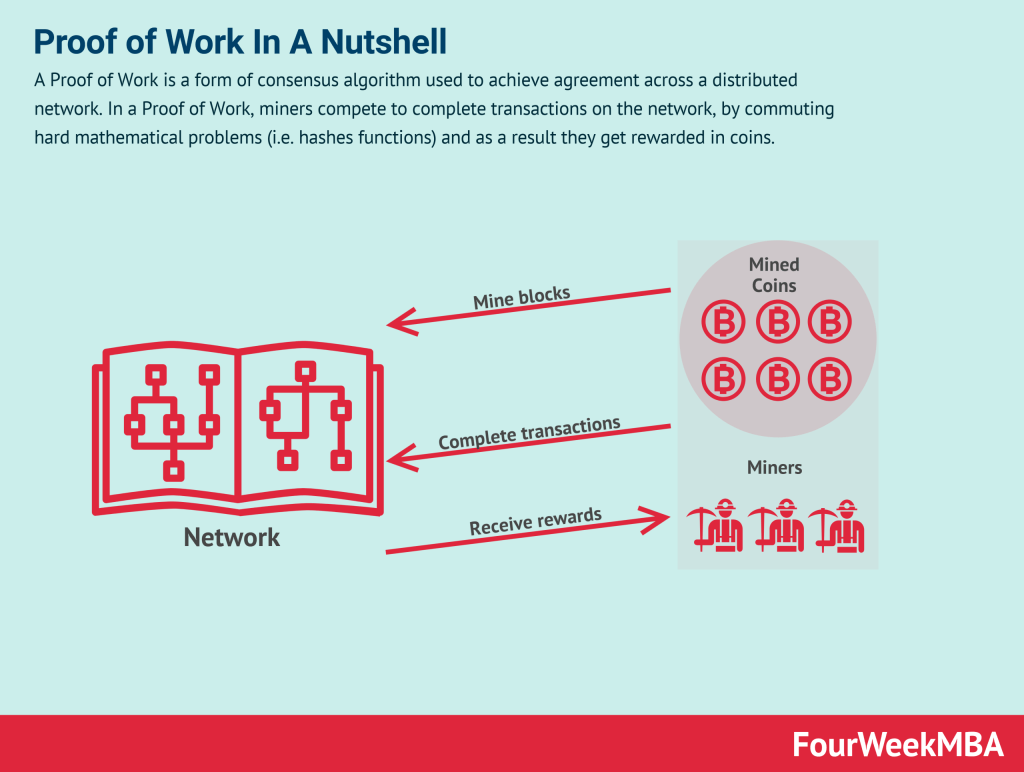
Bittensor (TAO) has become the standout protocol in this space. Rather than just renting raw GPU time, Bittensor operates as a decentralized machine learning network where miners train models and validators verify the quality of the output. It creates a marketplace for intelligence itself, not just processing cycles. The network’s tokenomics incentivize high-quality model performance, making it a favorite for projects building autonomous AI agents.
Render Network (RNDR) offers a different approach by focusing on graphics processing. Originally built for rendering 3D graphics, it has pivoted to serve the AI sector by providing GPU power for machine learning workloads. It is one of the most established players, with a proven track record of onboarding studios and developers who need scalable compute without the overhead of managing physical data centers.
| Network | Primary Focus | Consensus Model |
|---|
These networks are solving the "compute crunch" by democratizing access to high-end hardware. As AI models grow larger, the reliance on these decentralized layers will likely deepen, shifting the infrastructure backbone of the industry from single providers to distributed grids.
Data and model infrastructure tools
Use this section to make the Best Crypto AI Infrastructure Tools for decision easier to compare in real life, not just on paper. Start with the reader's actual constraint, then separate must-have requirements from details that are merely nice to have. A practical choice should survive normal use, maintenance, timing, and budget. If a recommendation only works in an ideal situation, call that out plainly and give the reader a fallback path.
The simplest way to use this section is to write down the must-have criteria first, then compare each option against those criteria before weighing nice-to-have features.
How to evaluate AI infrastructure projects
The shift from Bitcoin mining to AI infrastructure is accelerating, giving crypto miners a second act as demand for compute power skyrockets. But not every project claiming to bridge these two worlds has the technical depth to survive. When vetting AI infrastructure, you need to look past the marketing and examine the actual architecture. Think of it like inspecting the engine of a car; the paint job might be shiny, but if the mechanics aren't sound, it won't go anywhere.
Start by checking the token utility. Does the token actually power the network, or is it just a speculative vehicle? Look for clear use cases where the token is required for paying for compute, storing data, or governing the network. Without a functional utility, the token has no intrinsic value beyond market sentiment.
Next, scrutinize the team's background. Are they experienced in both blockchain and AI, or is this a pivot with no prior expertise? A strong technical roadmap is equally important. Does the project have a working prototype, or is it still in the whitepaper phase? Real progress is measured in deployed code, not promises.
Finally, assess the community activity and technical partnerships. Is the developer community active, contributing to the codebase? Are there legitimate partnerships with established AI firms or cloud providers? These factors signal long-term viability. Use the steps below to break down this evaluation process into manageable checks.
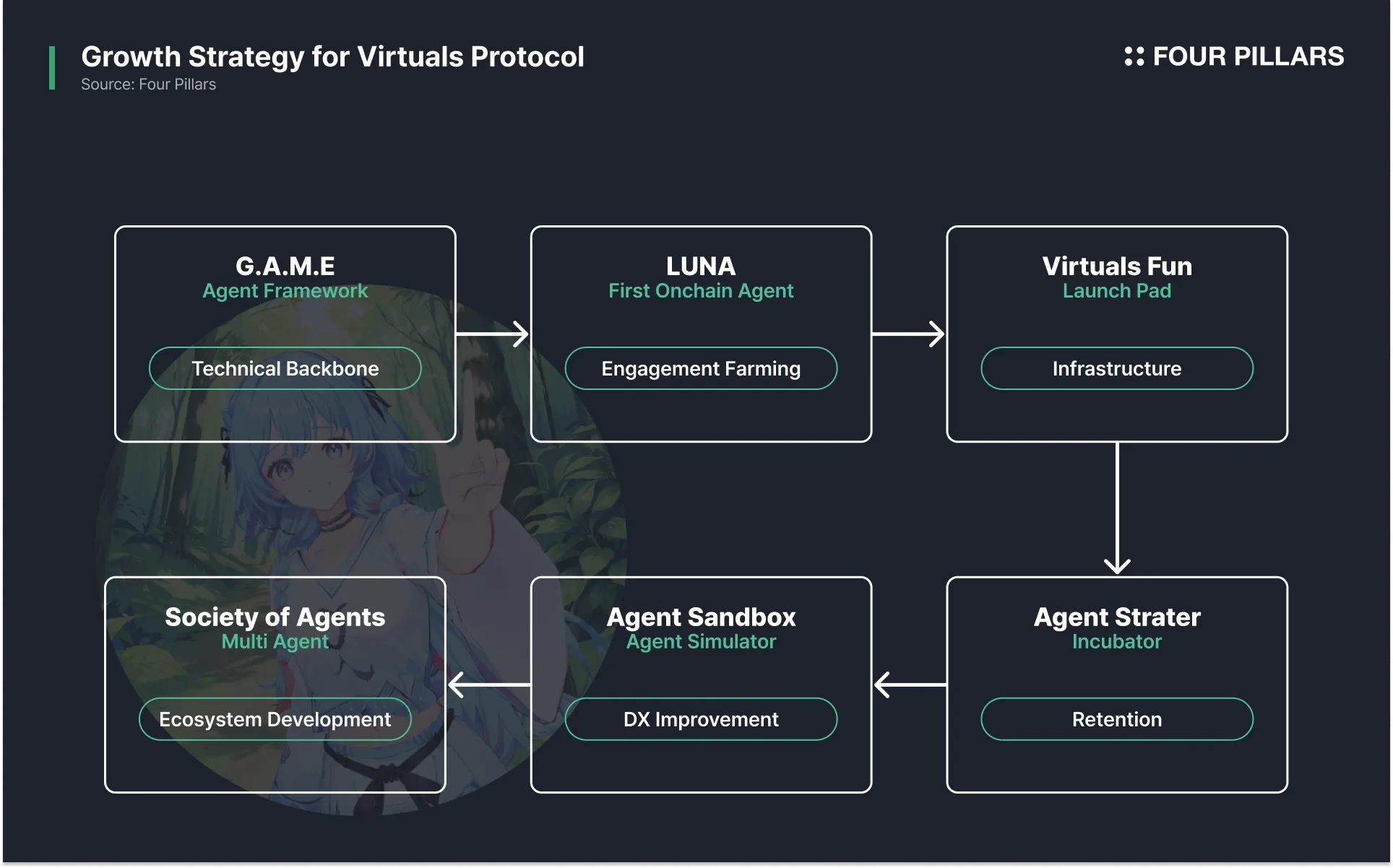
Check if the token is essential for network operations. Look for mechanisms like staking for node operation, paying for API access, or rewarding data contributors. If the token is only used for governance or has no clear economic loop, it's a red flag.

Investigate the founders and core developers. Do they have a history of shipping successful AI or blockchain products? Teams with deep technical roots in both fields are better equipped to handle the complex integration challenges of AI infrastructure.

Look at their GitHub repositories and public roadmaps. Are there regular commits, active issue discussions, and clear milestones? A project with stagnant development or vague timelines is unlikely to deliver on its promises.

Gauge the health of the developer community and any strategic partnerships. Are there active discussions, tutorials, and third-party integrations? Legitimate partnerships with AI labs or cloud providers add significant credibility.
Frequently asked questions about crypto AI
Helpful gear
Use these product recommendations as a starting point, then choose the size, material, and price point that fit how you actually use the gear.

As an Amazon Associate, we may earn from qualifying purchases.
No comments yet. Be the first to share your thoughts!