What defines crypto AI infrastructure
Crypto AI infrastructure is the underlying layer that lets decentralized networks run artificial intelligence workloads without relying on centralized cloud providers. It’s not just about buying GPU tokens; it’s about building the roads, bridges, and toll booths for data and computation to move freely across a distributed system.
At its core, this infrastructure splits into three distinct buckets. First, there is decentralized compute, which aggregates idle GPU power from around the world to train or run AI models. Second, data availability layers ensure that the information fed into these models is secure and accessible without a single point of failure. Third, agent protocols provide the frameworks for autonomous AI entities to interact with the blockchain, execute trades, or manage data streams independently.
Decentralized AI infrastructure aims to provide open, scalable, and trustless alternatives to centralized cloud providers like AWS or Azure for AI workloads.
The goal is sovereignty. As noted by industry observers, this movement seeks to empower users to harness AI potential while keeping control over their data and computational resources. Instead of handing your data to a single tech giant, crypto AI infrastructure distributes the load, making the system more resilient and transparent. This foundation sets the stage for the specific tools we’ll evaluate next, which handle everything from rendering 3D assets to training large language models across a global network.
Top decentralized compute and data tools
Choosing the right infrastructure requires balancing raw computational power with data integrity and network latency. When evaluating decentralized compute providers, look for those with verifiable proof-of-work or proof-of-renders, ensuring that the GPU resources are actually performing the requested tasks. For data availability, prioritize protocols that offer robust sharding or erasure coding to prevent data loss while maintaining high throughput. The best solutions integrate seamlessly with existing AI frameworks like PyTorch or TensorFlow, allowing developers to deploy models without rewriting their core logic.
Emerging tools for AI agents and models
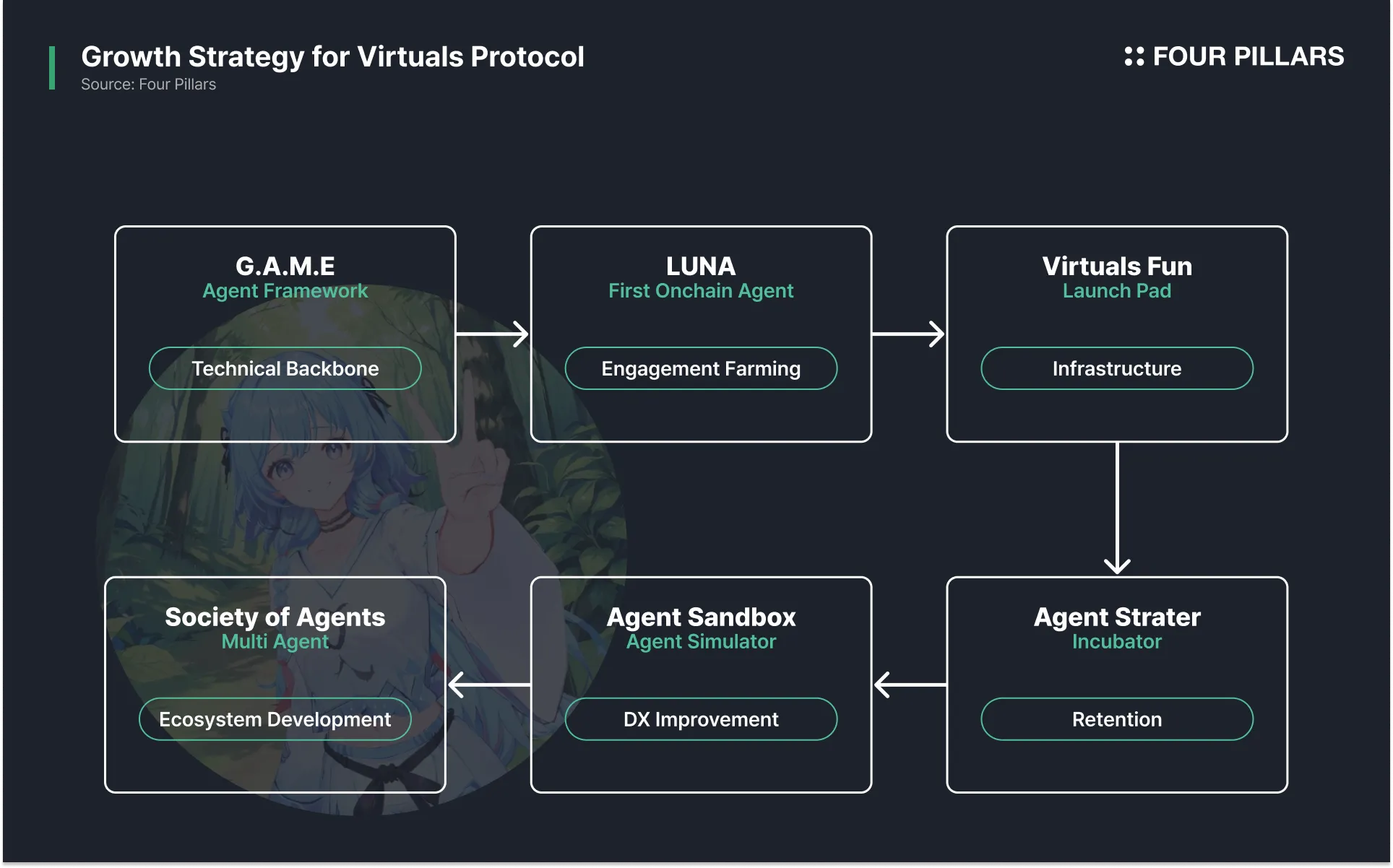
The landscape of AI agents is rapidly evolving, with new protocols enabling autonomous entities to execute complex, multi-step tasks on-chain. These tools focus on reducing the friction between off-chain AI reasoning and on-chain execution. Key considerations include the agent's ability to manage its own wallet, interact with decentralized oracles for real-time data, and execute smart contracts securely. Look for platforms that offer sandboxed environments for testing agent behavior before deploying them in production, minimizing the risk of unintended financial losses or security vulnerabilities.
How to evaluate AI infrastructure projects
Evaluating AI infrastructure projects requires a rigorous technical and security audit. Start by verifying the project's consensus mechanism and how it handles node validation. Assess the transparency of the codebase; open-source projects with active community audits are generally safer bets. Pay close attention to the tokenomics, ensuring that the incentive structure aligns with long-term network health rather than short-term speculation. Finally, review the team's track record and partnerships with established AI research institutions to gauge the project's technical credibility.
-
Verify the sourceUse this as a welfare screen: confirm the breeder, rescue, store, or private seller can explain care history and answer basic husbandry questions.
-
Check health signsLook for clear eyes, alert behavior, healthy weight, clean vent area, and no obvious swelling, wounds, or stuck shed.
-
Prepare the enclosureHave heat, UVB, substrate, hides, food, and temperature checks ready before pickup or shipping day.
-
Plan transportConfirm pickup timing, shipping weather, packaging, and the first-week settling plan before paying.
Frequently asked questions about crypto AI
Helpful gear
Use these product recommendations as a starting point, then choose the size, material, and price point that fit how you actually use the gear.



As an Amazon Associate, we may earn from qualifying purchases.
No comments yet. Be the first to share your thoughts!