Crypto AI Infrastructure Budget
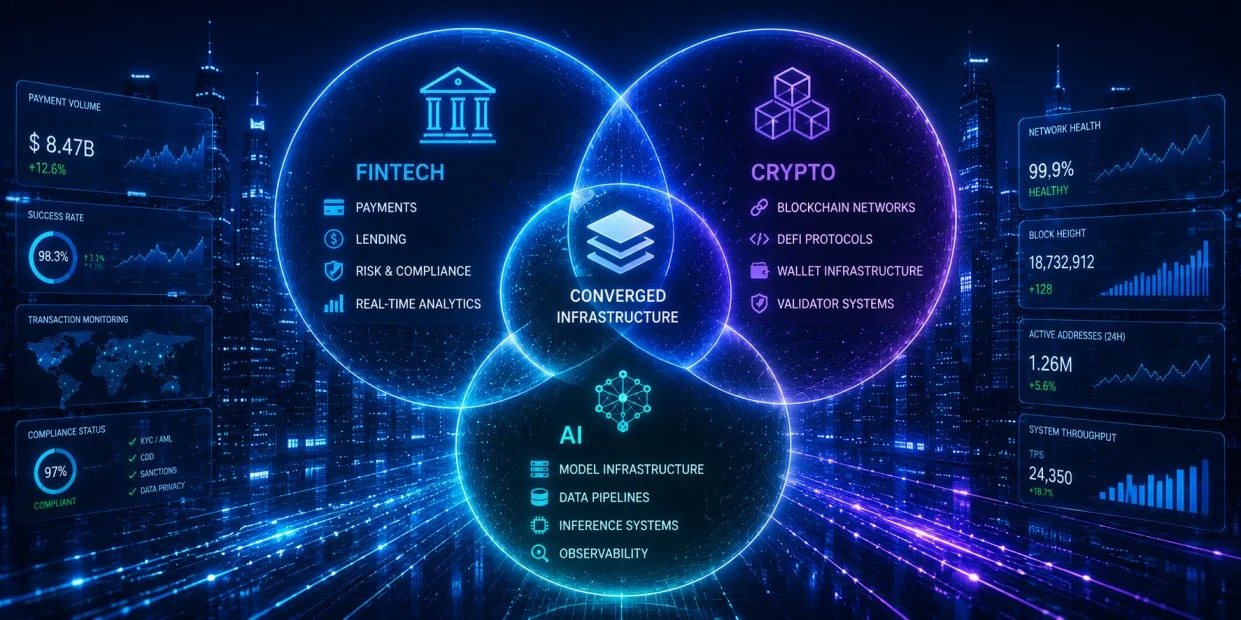
Building an onchain AI agent requires balancing compute power, data access, and network fees. The budget for this infrastructure varies widely depending on whether you are running a lightweight agent on a low-cost L2 or a heavy model on a dedicated GPU cluster. Most successful 2026 deployments start with a lean stack, scaling costs only as transaction volume justifies the upgrade.
Core Infrastructure Costs
Your primary expense will be inference. Providers like Bittensor or Render Network charge per token generated. For a basic agent handling simple queries, monthly costs can stay under $50. However, agents performing complex onchain reasoning or real-time market analysis often require high-end GPUs, pushing monthly bills to hundreds of dollars. Always benchmark inference latency against your user expectations before committing to premium nodes.
Data and Network Fees
Beyond compute, you must budget for reliable data feeds. Oracle services like Chainlink or Pyth provide the price and event data agents need to act autonomously. These fees are typically small per call but add up with high-frequency trading agents. Additionally, gas fees on the target blockchain can spike during congestion. Using an L2 or an L1 optimized for AI agents, such as Alephium or specialized AI chains, can reduce these overheads significantly compared to mainnet Ethereum.
Hardware and Storage
If you are self-hosting, hardware depreciation and electricity are silent budget killers. For most projects, renting cloud GPU instances or using decentralized compute networks is more capital-efficient than buying hardware. Storage for agent memory and historical data also adds up. Use cheap, decentralized storage solutions like Arweave or IPFS for long-term data, reserving high-speed storage for active working memory.


As an Amazon Associate, we may earn from qualifying purchases.
Budgeting for Scale
Start with a pilot phase. Deploy a minimal viable agent with a strict daily spend cap. Monitor how inference costs correlate with user engagement. This data-driven approach prevents budget blowouts and helps you identify which features truly drive value versus those that drain resources. Revisit your infrastructure provider contracts annually; the AI crypto infrastructure space is moving fast, and better deals appear regularly.
Shortlist real options
The shift toward autonomous agents is reshaping crypto infrastructure, creating a demand for specialized compute, data, and networking layers. Rather than betting on broad AI narratives, this section isolates the four projects most frequently cited by researchers as defining the next cycle: Kite AI, 0G, Nous Research, and AIOS.
These options represent distinct approaches to onchain AI. Kite AI focuses on decentralized compute orchestration, while 0G provides modular storage and data availability. Nous Research contributes specialized models, and AIOS acts as an operating system for agents. A side-by-side comparison clarifies their technical differences and market positioning.
| Project | Core Focus | Infrastructure Model | Current Status |
|---|---|---|---|
| Kite AI | Decentralized Compute | GPU Orchestration | Active Development |
| 0G (ZeroGravity) | Data & Storage | Modular DA Layer | Mainnet Live |
| Nous Research | Model Development | Open-Source LLMs | Model Releases |
| AIOS | Agent OS | Unified Agent Framework | Beta/Early Access |
While the table outlines the structural differences, the choice depends on your exposure strategy. Compute layers like Kite AI offer infrastructure utility, whereas model-focused projects like Nous Research are closer to software development. 0G’s modular approach addresses a critical bottleneck: data availability for AI training. AIOS attempts to unify these layers into a single agent framework. Investing in this sector requires distinguishing between hype and actual deployment. Several projects listed in broader AI token rankings lack real-world usage or clear infrastructure utility. The four options above have demonstrated tangible progress in their respective niches, making them the strongest candidates for 2026 analysis.
Inspect the expensive parts
Building a crypto AI infrastructure stack is capital intensive. A single misconfigured node or a poorly chosen data pipeline can bleed funds before an agent ever executes its first trade. Instead of guessing where costs hide, follow this inspection checklist to target the highest-risk failure points.
Audit compute efficiency
AI agents require significant processing power for inference and training. Check if your current GPU allocation matches actual workload demands. Over-provisioning is the fastest way to inflate operational expenses. Look for auto-scaling mechanisms that shut down idle resources during low-traffic periods.
Verify data pipeline reliability
Garbage in, garbage out. If your data feeds are inconsistent, your AI models will make costly errors. Inspect the latency and accuracy of your data sources. Ensure you have fallback mechanisms for when primary data feeds go offline. A broken data stream is more expensive than a slow one.
Stress-test agent orchestration
Agents often fail when they interact with multiple protocols simultaneously. Test your orchestration layer under high load. Look for deadlocks, race conditions, or excessive gas fees caused by inefficient transaction batching. A single failed transaction can trigger a cascade of refunds and penalties.
Review security protocols
Crypto AI agents hold keys and execute transactions. Security is not optional. Inspect your access controls, encryption standards, and monitoring tools. Ensure you have real-time alerts for suspicious activity. A single breach can wipe out your entire infrastructure investment.
Monitor gas and transaction costs
Ethereum and other L1s can become prohibitively expensive during peak times. Inspect your transaction strategies. Are you using Layer 2 solutions or batch processing to reduce costs? A high gas fee per transaction can eat into your profit margins faster than you realize.
Plan for ownership costs
Buying AI crypto infrastructure is the easy part. The real expense comes from the ongoing costs of keeping the system running, secure, and updated. As crypto companies pivot toward AI agents as the next wave of users, the underlying hardware and software demands are shifting from passive storage to active, high-throughput computation [src-serp-1]. A cheap upfront purchase often masks steep operational bills that can erode margins if not planned for.
The Hidden Costs of Maintenance
Most buyers underestimate the cost of maintenance. Unlike static hardware, AI infrastructure requires frequent software patches, driver updates, and security audits. If you are deploying nodes for AI agents, you also need to account for energy consumption and cooling, which can triple your initial hardware budget over three years. Always budget 15-20% of the purchase price annually for these recurring expenses.
When Cheap Stops Being Cheap
A low-cost solution becomes expensive when it lacks scalability or reliability. If your AI agent needs to process large datasets in real-time, a cheaper, slower node will create bottlenecks that require manual intervention or expensive workarounds. Evaluate total cost of ownership (TCO) rather than just the sticker price. Look for components that offer better efficiency per watt and easier integration with existing crypto protocols.
Essential Hardware for AI Agents
To support the growing demand for onchain AI, you need reliable hardware. Here are some essential components to consider for your infrastructure:


As an Amazon Associate, we may earn from qualifying purchases.
By focusing on these core components, you can build a robust foundation for your AI crypto projects without overspending on unnecessary features.
No comments yet. Be the first to share your thoughts!