Crypto AI infrastructure budget
Building a functional crypto AI infrastructure requires balancing three hard constraints: price, age, and condition. You cannot optimize all three simultaneously. If you buy the cheapest hardware, you accept higher failure rates and shorter lifespans. If you buy the most robust systems, you pay a premium for longevity and performance stability.
The market for AI crypto nodes—whether for decentralized compute, storage, or rendering—splits into clear tiers. New enterprise-grade GPUs offer the lowest cost per teraflop but come with steep upfront capital and complex cooling requirements. Used consumer cards provide a lower entry point but demand significant technical labor for maintenance and optimization. For most builders, the sweet spot lies in refurbished enterprise hardware or mid-range consumer cards running optimized drivers.
When evaluating options, look at the total cost of ownership rather than the sticker price. A $2,000 GPU that fails after six months costs more than a $4,000 unit that lasts two years. Factor in electricity, cooling, and potential downtime. The following products represent common starting points for those building decentralized AI nodes, selected for their availability and community support.


As an Amazon Associate, we may earn from qualifying purchases.
Start with a single node to test your workflow. Monitor thermal throttling and network latency before scaling. Infrastructure is not just about hardware; it is about reliability. A stable, predictable node earns more trust from the network than a fast, erratic one.
Shortlist real options
Choosing the right crypto AI infrastructure requires looking past the hype to the actual utility each project provides. As AI dramatically lowers the cost of producing information, the underlying infrastructure must handle the resulting scale of data and computation. The following options represent the strongest contenders in this converging space, each solving a different piece of the puzzle.
Decentralized Compute and Storage
The foundation of any AI system is data and processing power. Render Network (RNDR) operates as a decentralized GPU rendering network, allowing artists and developers to access powerful graphics processing units for AI training and rendering tasks. By connecting GPU suppliers with those who need compute, Render addresses the hardware bottleneck that plagues centralized AI development.
For data storage, 0G (ZeroGravity) aims to provide a high-speed, decentralized data availability layer. It functions similarly to traditional cloud storage but removes the single point of failure and censorship risks associated with centralized providers. This is critical for AI agents that need to store and retrieve vast amounts of training data without relying on a single corporate entity.
AI Agent Frameworks and Protocols
Bittensor (TAO) creates a marketplace for machine intelligence. It allows miners to contribute computational resources to train large language models, rewarding them with TAO tokens based on the quality of their contributions. This creates a verifiable, open-source alternative to proprietary AI models, ensuring that the benefits of AI advancement are distributed rather than concentrated.
NEAR Protocol has pivoted significantly toward AI integration, offering "Chain Abstraction" that makes it easier for AI agents to interact with blockchain data. Its high throughput and low fees make it a preferred layer for AI applications that require frequent, small transactions, such as micro-payments for API calls or data queries.
Comparison of Infrastructure Layers
| Project | Primary Function | Key Infrastructure Need | Best For |
|---|---|---|---|
| Render Network | Decentralized GPU Compute | High-performance graphics processing | AI model training & rendering |
| Bittensor | Decentralized AI Marketplace | Distributed computing power | Open-source model development |
| 0G (ZeroGravity) | Data Availability Layer | Fast, cheap data storage | AI agent data management |
| NEAR Protocol | AI-Ready Blockchain Layer | High throughput, low fees | AI agent interactions & payments |
These projects do not operate in isolation. The most robust AI infrastructure will likely combine elements from each category: decentralized storage for data, distributed compute for training, and efficient blockchain layers for settlement. Investors should evaluate which layer offers the most sustainable competitive advantage as the industry matures.
Inspect the expensive parts
AI crypto infrastructure projects burn cash fast. Compute costs, data labeling, and network incentives can drain capital before a product reaches product-market fit. If you are evaluating these projects, focus on where the money leaks.
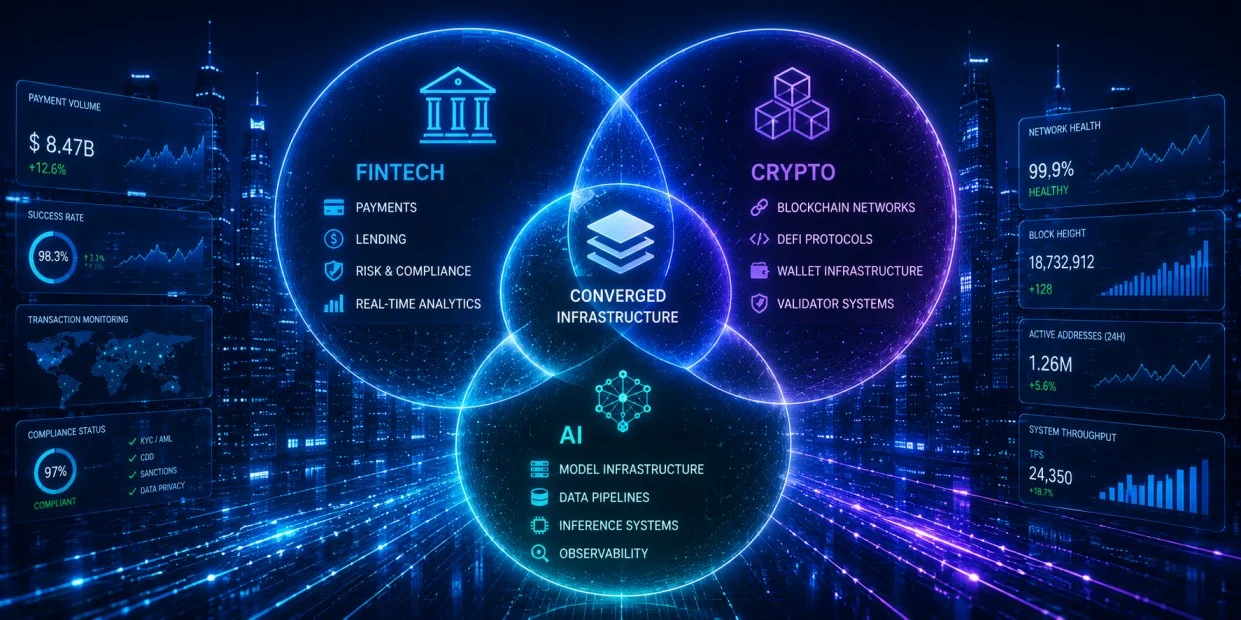
Most projects promise cheap decentralized compute but rely on centralized GPU clusters for reliability. Check if the tokenomics subsidize these costs or if they pass them to users. Projects burning through venture capital to keep prices artificially low are unsustainable.

AI models are only as good as their training data. Verify if the project owns its data pipeline or pays exorbitant fees for third-party datasets. Projects that generate synthetic data without real-world validation often produce models that fail in production.

Look at how tokens are distributed. If early investors and team members hold large vesting schedules while users receive negligible rewards, the network lacks true decentralization. Sustainable infrastructure requires users to be compensated fairly for sharing resources.
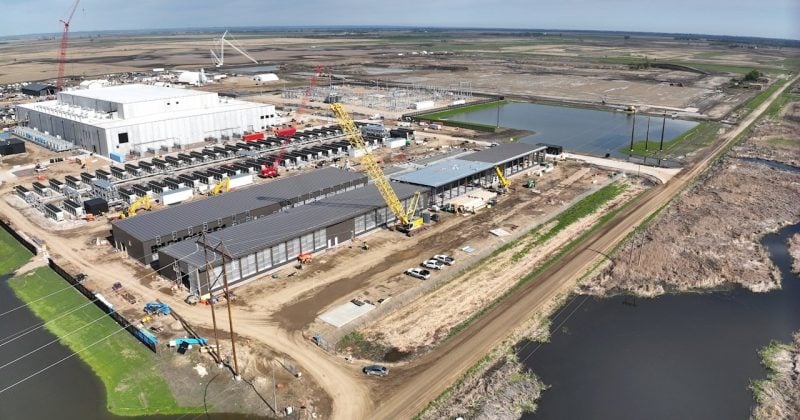
Strong partnerships with established cloud providers or hardware manufacturers signal viability. However, be wary of projects that announce partnerships without technical integration. Look for concrete deployments and whitepapers detailing the technical architecture.
Plan for ownership costs
A low purchase price rarely reflects the true cost of running AI crypto infrastructure. While the upfront hardware or node fee might look attractive, the ongoing expenses for electricity, cooling, and maintenance can quickly erode your profit margins. In the AI crypto space, data abundance is cheap, but the compute required to process it is not [src-1]. You must calculate the total cost of ownership before committing capital.
Maintenance surprises are common. Hardware failures in high-load environments require immediate replacement to avoid downtime penalties. For decentralized AI nodes, software updates and network upgrades happen frequently, demanding technical oversight. If you cannot dedicate time to troubleshooting or afford a managed service, the "cheap" option often becomes the most expensive due to lost yields or operational friction.
Consider whether you are buying a tool or taking on a liability. A $200 GPU miner might seem like a bargain, but if it consumes $50 in electricity monthly, it pays for itself in less than four years. In contrast, a more expensive, efficient node might break even in two years, offering better long-term returns. Evaluate the energy efficiency and support structure of the infrastructure, not just the sticker price.
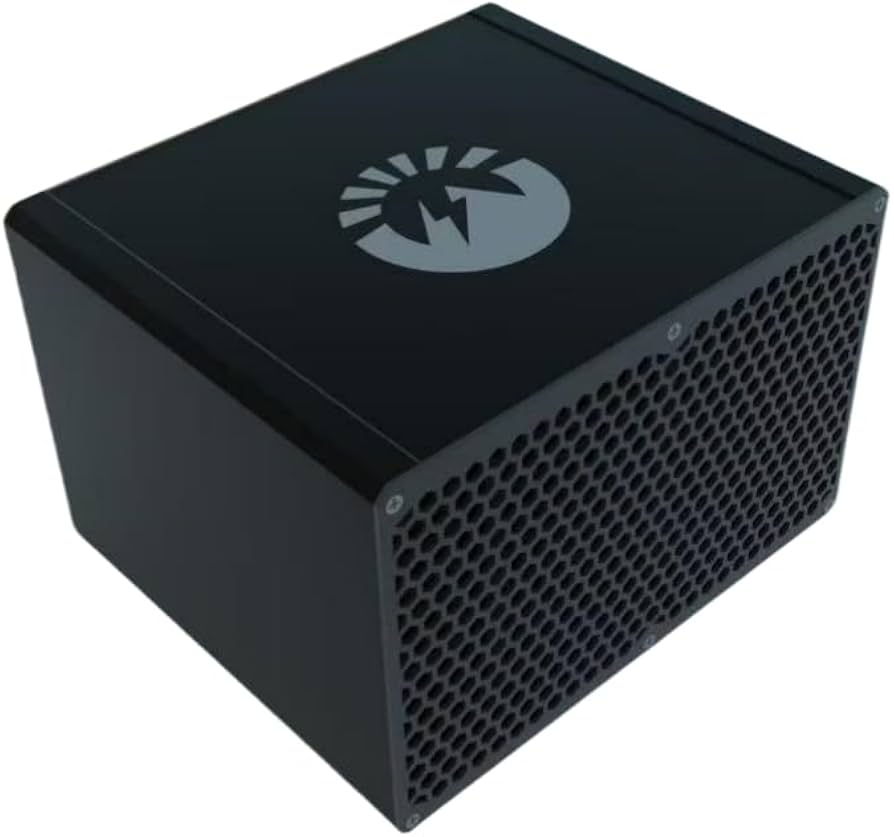


As an Amazon Associate, we may earn from qualifying purchases.
Crypto ai infrastructure: what to check next
Navigating the intersection of artificial intelligence and blockchain requires separating marketing hype from functional infrastructure. This section addresses the most common practical objections regarding market leaders, risk profiles, and investment strategies.
The market is currently driven by the need for decentralized compute and data verification. As AI models grow more complex, the reliance on centralized clouds creates bottlenecks and single points of failure. Crypto infrastructure projects address this by distributing these resources across a global network of nodes.
No comments yet. Be the first to share your thoughts!