Why crypto meets AI infrastructure
AI models are hungry. They need massive amounts of data to learn and enormous computing power to train. For a long time, a handful of tech giants controlled this entire pipeline. If you wanted to build the next big language model, you had to rent servers from Amazon, Google, or Microsoft. That setup creates a bottleneck. It concentrates power, limits who can innovate, and raises the cost for everyone else.
Blockchain offers a different path. Instead of relying on a single provider, decentralized networks connect thousands of independent GPU owners and data providers. This isn't just about cutting costs, though that helps. It's about sovereignty. When your data and compute power live on a distributed ledger, you aren't locked into one vendor's ecosystem. You retain control over your information and can choose the best prices in an open market.
This convergence is reshaping how we think about digital utility. Blockchain provides the trust layer for payments and identity, while AI provides the intelligence layer for decision-making. Together, they create a system where machines can interact, transact, and share resources without human intermediaries. As Pantera Capital notes, blockchain is becoming the enabling infrastructure for the new capabilities AI brings. This shift is critical for anyone building tools that need to scale securely and efficiently in 2026.
Top decentralized compute networks
Training large language models or running complex AI inference tasks requires significant GPU power. Centralized cloud providers often charge premium rates or face capacity constraints. Decentralized compute networks solve this by creating a marketplace where idle GPU resources meet AI developers. This model drives down costs and increases accessibility for projects that need scalable hardware.
Two protocols currently lead this space by offering distinct approaches to decentralized infrastructure: Render and Akash.
Render
Render (RNDR) specializes in GPU acceleration for graphics rendering and AI workloads. It operates as a decentralized network that connects users who need GPU power with node operators who have spare capacity. For AI projects, Render provides the high-performance computing needed for training models and running inference tasks. The network has gained traction among developers looking for cost-effective alternatives to traditional cloud GPU instances. Its focus on specialized graphics and AI processing makes it a strong choice for creative and machine learning applications.
Akash Network
Akash Network functions as a decentralized cloud computing marketplace, often described as the "Airbnb for cloud computing." It allows developers to rent computing resources, including GPUs, from a global network of providers. Akash supports a wide range of workloads, from hosting applications to running AI models. Its flexible architecture enables users to deploy containers and virtual machines across various nodes. By leveraging unused capacity from data centers worldwide, Akash offers competitive pricing and greater flexibility than many centralized providers.
Comparison: Render vs. Akash
While both networks provide decentralized compute power, they serve slightly different primary use cases.
| Feature | Render | Akash |
|---|---|---|
| Primary Focus | GPU acceleration for graphics and AI | General-purpose decentralized cloud computing |
| Pricing Model | Pay-per-use for GPU hours | Competitive bidding marketplace |
| Key Use Case | AI model training, inference, and rendering | Hosting AI services, containers, and VMs |
Both networks represent a shift toward democratized access to AI infrastructure. By removing the need for massive capital expenditure on hardware, they allow smaller teams and individual developers to participate in the AI boom. As the demand for decentralized compute grows, these platforms are likely to become essential components of the crypto AI landscape.
Leading AI agent and data protocols
The shift toward autonomous AI agents requires more than just better models; it needs a reliable layer for data availability and execution. Two protocols are currently defining this space by connecting decentralized compute with real-world utility. Bittensor focuses on the models themselves, while Virtuals Protocol handles the agents that run them.
Bittensor: The Decentralized Intelligence Network
Bittensor operates as a marketplace for machine intelligence, but unlike traditional cloud services, it draws computing power from a distributed network of miners. These miners compete to provide the best predictions or data outputs, and their contributions are validated by the network. This mechanism ensures that the system improves as more participants join, creating a self-sustaining ecosystem for AI development.
The native token, TAO, is the backbone of this economy. It incentivizes miners to provide high-quality services and allows validators to pay for access to these models. Because the network is open, developers can build applications that tap into this collective intelligence without relying on a single corporate provider.
Virtuals Protocol: Home for On-Chain Agents
While Bittensor handles the heavy lifting of computation, Virtuals Protocol provides the environment for AI agents to live and interact. Built on the Base blockchain, it allows users to create, deploy, and manage autonomous agents that can engage in social media, gaming, or financial tasks. These agents are not just static code; they are dynamic entities that can learn and adapt based on their interactions.
The protocol’s native token, VIRTUAL, is used to stake and govern the ecosystem. It ensures that the agents running on the platform are aligned with community interests. By simplifying the deployment process, Virtuals is lowering the barrier to entry for developers who want to build the next generation of web3-native AI tools.
Hardware for crypto AI enthusiasts
Running a node or contributing to a decentralized compute network requires more than just a software wallet; it demands reliable hardware that can handle the computational load. Whether you are mining, validating, or providing GPU power for AI models, your local machine becomes part of a global infrastructure. This section outlines the essential gear to get started, focusing on products that offer the balance of performance and efficiency needed for long-term operation.
The core of any setup is the processing unit. For general node operation, a robust desktop PC with a good CPU and ample RAM serves as a solid foundation. However, if you are looking to participate in GPU-heavy networks like Render or Akash, a dedicated graphics card is non-negotiable. These components work together to ensure your contribution to the network is consistent and rewarded. You do not need the most expensive server-grade equipment to begin; consumer-grade hardware often suffices for entry-level participation.
To help you visualize the kind of setup required, here is a look at the type of infrastructure powering the next generation of decentralized AI.
Below are some recommended hardware components to consider for your setup. These are general categories of products that form the backbone of a crypto AI node. When shopping, look for current models from reputable manufacturers that offer good warranty support, as hardware running 24/7 requires durability.


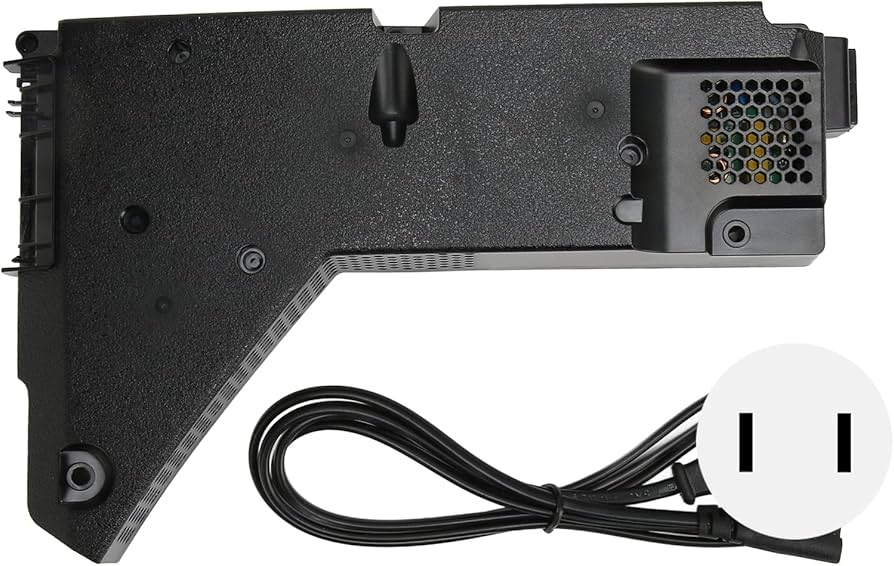
As an Amazon Associate, we may earn from qualifying purchases.
Investing in quality hardware pays off in reduced downtime and lower electricity costs. Always check the power consumption specifications of any component before purchasing, as running these devices continuously adds up on your utility bill. Start with one node or one network to understand the load before scaling up your operation.
Building a crypto AI strategy
Putting capital to work in crypto AI infrastructure requires treating it like a venture portfolio rather than a quick trade. The sector is young, volatile, and heavily influenced by narrative shifts. To avoid getting caught in the hype cycle, you need a disciplined checklist for evaluating projects before you buy.
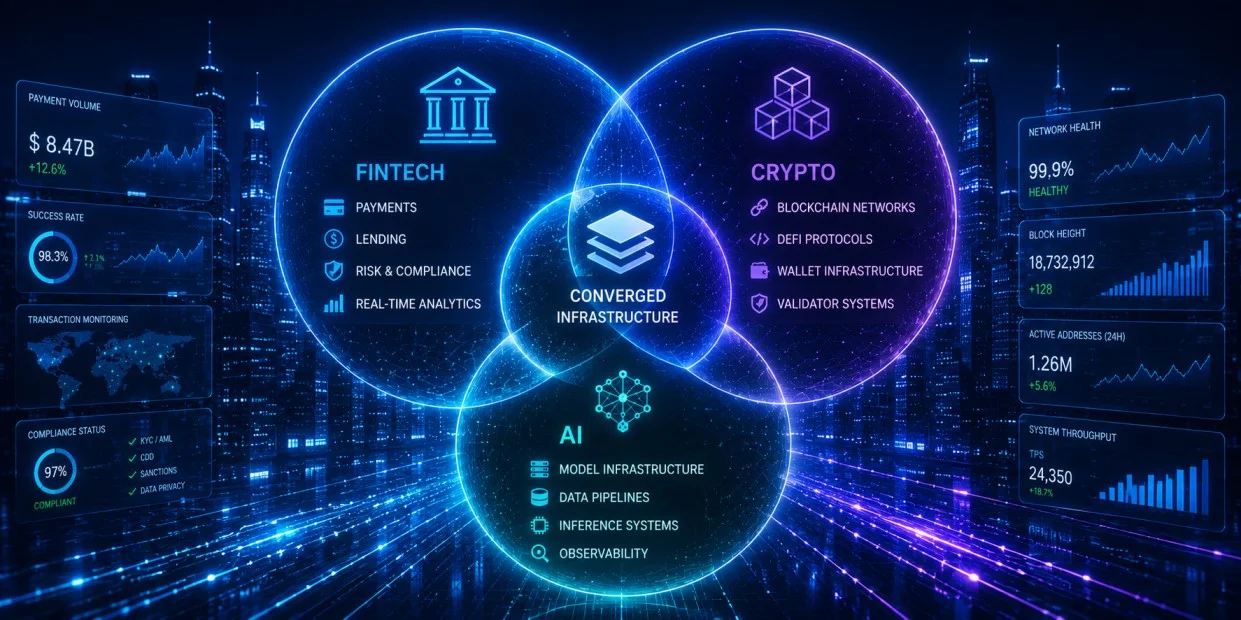
Look for projects that solve actual bottlenecks in GPU availability or data storage. Tokens like Render (RNDR) or Akash (AKT) gain value when their underlying infrastructure is actively used by developers building AI models, not just when the token price rises. Check if the protocol has consistent network usage metrics.
Crypto AI projects often fail because the founders don't understand either blockchain or machine learning. Prioritize teams with verifiable experience in both fields. Look for partnerships with established tech firms or academic institutions, which signal that the project has passed external scrutiny.

Many AI tokens are heavily backed by venture capitalists with long vesting periods. If a large portion of the supply is about to unlock, the price could drop regardless of the technology's quality. Review the token distribution schedule to understand when selling pressure might hit.
Once you have vetted the projects, you can begin allocating capital. Start with a small position in the most established protocols, such as Bittensor (TAO), to gauge the market's reaction. Keep a portion of your portfolio in stablecoins to take advantage of dips. This approach balances the high-growth potential of AI infrastructure with the need to protect your principal.
Common questions about crypto AI
We get asked about the landscape often. Here are direct answers to the most frequent questions we see regarding crypto AI tools and infrastructure.
What are the top 5 AI crypto projects?
Current market leaders include Bittensor (TAO) for decentralized model training, Render (RNDR) for distributed GPU rendering, and the Artificial Superintelligence Alliance (FET) for autonomous agents. Akash Network (AKT) provides decentralized cloud computing, while Virtuals Protocol (VIRTUAL) focuses on on-chain AI agents. Rankings shift quickly, so check live market caps for the most current data.
What is a crypto infrastructure?
Crypto infrastructure refers to the foundational technology that allows digital assets to function. This includes blockchain networks (Layer-1 and Layer-2), custody solutions, payment rails, oracle networks, and development platforms. As Pantera Capital notes, blockchain acts as the enabling infrastructure for new capabilities like AI, providing the trust layer that AI systems need to operate autonomously.
Do I need special hardware to use these tools?
Most infrastructure tools are accessed via web interfaces or API integrations. You don't need to build your own GPU cluster. Instead, you rent compute power from networks like Render or Akash. This model lets developers and businesses access high-performance computing without the capital expense of physical hardware.
Is AI in crypto regulated?
Regulation is still evolving. While the underlying blockchain transactions follow existing financial laws, the AI components often fall under emerging tech regulations. Always verify the compliance status of any specific protocol before integrating it into your workflow.
No comments yet. Be the first to share your thoughts!