Crypto ai infrastructure budget
Building an AI crypto infrastructure node is a hardware-heavy endeavor. Your budget dictates not just the entry cost, but the operational ceiling. A modest setup might run on consumer-grade GPUs, but it will struggle with the compute demands of modern LLM inference or large-scale data indexing. Conversely, enterprise-grade ASICs or multi-GPU workstations demand significant capital and cooling solutions.
Start by defining your specific role in the network. Are you providing raw compute power, storage, or bandwidth? Each requires different hardware priorities. For compute-heavy tasks, NVIDIA RTX 4090s or used data-center GPUs offer the best price-to-performance ratio. For storage-focused nodes, large-capacity, high-IOPS SSDs are more critical than raw processing speed.
Factor in the ongoing costs. Electricity rates vary wildly by region and can erase profits if not calculated correctly. A $5,000 GPU node might seem affordable, but if it draws 800W continuously, the annual power bill could exceed $2,000. Always model your break-even point against current network rewards and token prices before purchasing.
The tradeoff is often between upfront capital and long-term efficiency. Cheaper, older hardware may require more maintenance and energy, while newer, efficient chips have higher sticker prices but lower operational overhead. For many builders, a hybrid approach works best: start with a smaller, flexible setup to understand network dynamics, then scale to dedicated hardware as revenue stabilizes.


As an Amazon Associate, we may earn from qualifying purchases.
Shortlist real options
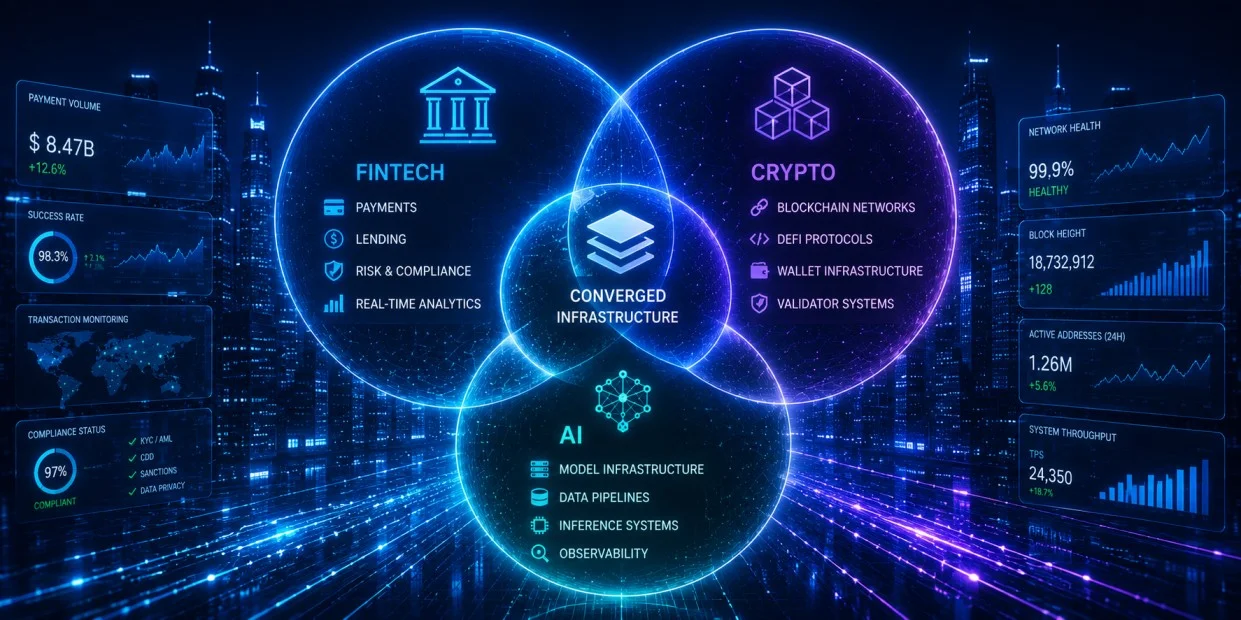
Finding the right crypto AI infrastructure requires looking past marketing claims to the actual utility each project provides. The current market separates projects that build the underlying rails—compute, storage, and networking—from those that build applications on top of them. For investors and builders, the distinction matters because infrastructure tokens often carry different risk profiles and use cases than pure algorithmic AI tokens.
We compared four prominent infrastructure projects that are actively shaping the decentralized AI landscape. These selections represent different layers of the stack, from data storage to decentralized compute networks. The goal is to provide a clear side-by-side view of their primary focus, token utility, and market positioning.
| Project | Primary Focus | Token Utility | Market Cap Rank |
|---|---|---|---|
| Render Network (RNDR) | Decentralized GPU rendering and compute | Payment for GPU resources | Top 50 |
| Akash Network (AKT) | Decentralized cloud compute marketplace | Staking and governance | Top 100 |
| Filecoin (FIL) | Decentralized data storage | Storage payments and staking | Top 20 |
| 0G Labs (0G) | Modular AI data layer | Governance and ecosystem incentives | Top 200 |
Render Network connects GPU providers with users who need high-performance computing for rendering and AI training. It is one of the most established players in the space, with a clear revenue model based on actual compute demand. Akash Network offers a more general-purpose decentralized cloud, allowing users to rent unused cloud capacity at lower costs than traditional providers. Filecoin provides the storage layer necessary for large AI datasets, ensuring data is available and verifiable. 0G Labs is building a modular data availability layer specifically optimized for AI workloads, aiming to solve the bottleneck of data transfer in decentralized networks. When evaluating these options, consider the specific gap you are trying to fill. If you need raw compute power for training models, Render or Akash are the direct choices. If your focus is on storing and retrieving large datasets securely, Filecoin is the incumbent. For projects focused on the future of AI data availability, 0G represents a newer, more specialized approach. Each has different liquidity profiles and adoption curves, so aligning the token with your specific infrastructure needs is essential.
Inspect the expensive parts
Crypto AI infrastructure projects often hide their most costly liabilities behind complex architecture diagrams. Before allocating capital, you need to verify where the actual money goes. A high market cap means little if the underlying tokenomics drain value or if the compute stack relies on a single centralized provider.
Use this checklist to audit the expensive failure points. These are the areas where projects typically bleed value or fail under load.
Check if the project actually uses decentralized nodes or if it just wraps a centralized cloud API. Many projects claim decentralization but rely on AWS or Azure for inference. If the compute isn't distributed, you aren't buying crypto infrastructure; you're buying a tech stock with a token attached.

Look at the vesting cliffs for team and investor tokens. High emissions dilute holders and create constant sell pressure. Projects with aggressive unlock schedules often see price drops regardless of technological progress. Ensure the token utility justifies the supply.
AI models require massive datasets. Verify if the project pays for data or scrapes it illegally. Legal risks and licensing fees can erase margins. Projects that own their data pipelines have a sustainable moat; those that don't face regulatory shutdowns.

Infrastructure projects hold large treasuries. Ensure the code has been audited by reputable firms like OpenZeppelin or Trail of Bits. Unaudited contracts are a direct line to total loss. Check for bug bounties and multi-sig wallet requirements.


As an Amazon Associate, we may earn from qualifying purchases.
The goal is to separate the infrastructure plays from the marketing hype. By focusing on these concrete checks, you avoid the most common pitfalls in the sector.
Plan for ownership costs
The sticker price of crypto AI infrastructure is only the entry fee. The real cost lies in the ongoing maintenance, energy consumption, and hardware depreciation that often go uncalculated during the initial buy decision. A cheap GPU rig might look attractive until you factor in the electricity bill and the inevitable thermal throttling that reduces compute efficiency over time.
Maintenance surprises are the silent budget killers. Unlike traditional cloud services where updates are handled by the provider, self-hosted AI nodes require manual intervention. You will need to replace fans, clean dust filters, and potentially swap out failing components. If you are running high-performance ASICs or specialized AI accelerators, the noise and heat output can also impose indirect costs, such as the need for dedicated cooling solutions or soundproofing in residential spaces.
When a cheap buy stops being cheap is usually a question of total cost of ownership (TCO) over a 12-24 month period. Entry-level hardware may lack the redundancy and efficiency of enterprise-grade equipment, leading to higher failure rates and downtime. In the context of crypto mining or node operation, downtime directly translates to lost rewards. Therefore, investing in higher-quality, more durable hardware often yields a better long-term return than repeatedly repairing or replacing cheaper alternatives.


As an Amazon Associate, we may earn from qualifying purchases.
Crypto ai infrastructure: what to check next
Navigating the intersection of artificial intelligence and blockchain requires separating marketing hype from functional utility. This section addresses the most common questions regarding AI-backed cryptocurrencies, infrastructure definitions, and top-tier projects to help you make informed decisions.
No comments yet. Be the first to share your thoughts!