Why AI needs blockchain infrastructure
The rapid acceleration of artificial intelligence has created a structural bottleneck that centralized cloud providers are struggling to manage. AI models require massive amounts of data, compute power, and verification layers. As these systems grow, the need for a neutral, permissionless settlement layer becomes apparent. This is where crypto ai infrastructure steps in, offering a way to align incentives, ensure data sovereignty, and scale beyond the limits of traditional tech giants.
AI dramatically lowers the cost of producing information, enabling infinite content generation, agents, and digital identities, according to Pantera Capital. This abundance of data and automated interaction creates a new class of economic activity. However, centralized platforms often act as gatekeepers, controlling access to these tools and the data they generate. Blockchain infrastructure provides an alternative: a decentralized network where ownership and control remain with the users and builders, not a single corporate entity.
Decentralized AI infrastructure empowers individuals and organizations to harness the potential of AI while maintaining sovereignty over their data. By distributing compute resources and data storage across a global network, these systems reduce single points of failure and censorship risks. For high-stakes finance and autonomous agents, this reliability and transparency are not just nice-to-haves; they are foundational requirements for trustless operation.
Note: Pantera Capital highlights that AI lowers information costs, creating an environment of infinite content and digital identity. Blockchain provides the necessary framework to manage this abundance without relying on centralized intermediaries.
The convergence of these two technologies is not just about efficiency; it is about redefining who owns the intelligence. As AI agents begin to execute transactions and manage assets autonomously, they require a blockchain-native environment to operate securely and transparently. This synergy is driving the development of specialized protocols designed specifically for the demands of onchain AI.
The three pillars of onchain AI
Crypto AI infrastructure isn't a single product; it's a stack. To understand where value accrues in 2026, we need to break the ecosystem down into its three functional layers: Compute, Data, and Agents. Each layer solves a specific bottleneck in the path from raw model training to autonomous execution.
Compute: The GPU Backbone
Before AI can act, it must think. The Compute layer provides the distributed graphical processing units (GPUs) required for training and inference. In traditional cloud models, this is centralized and expensive. Onchain, protocols like Render and Akash create decentralized markets where idle GPU power is aggregated and sold to AI developers. This layer is the foundation; without accessible, verifiable compute, the rest of the stack cannot function.
Data: Storage and Verification
AI models are only as good as the data they are fed. The Data layer handles the storage, retrieval, and cryptographic verification of datasets. Projects in this space focus on creating decentralized storage solutions that ensure data integrity and privacy. This includes verifiable data oracles that feed real-world information into AI models, ensuring that the intelligence generated is grounded in accurate, tamper-proof reality.
Agents: Execution Layers
The Agent layer is where the rubber meets the road. These are autonomous entities that can execute transactions, manage assets, and interact with other smart contracts on-chain. They represent the culmination of the stack: a model that has been trained on verified data using distributed compute, now acting independently. This layer is rapidly evolving, with protocols enabling agents to hold wallets, negotiate deals, and perform complex multi-step workflows without human intervention.
| Layer | Core Function | Maturity |
|---|---|---|
| Compute | Distributed GPU processing | High |
| Data | Storage and verification | Medium |
| Agents | Autonomous execution | Emerging |
Leading crypto AI infrastructure projects in 2026
The infrastructure layer for onchain agents is no longer a monolith. As the 2026 cycle matures, capital has fragmented into specialized verticals, each solving a distinct bottleneck in the AI stack: compute, data, or inference. Identifying the right crypto AI infrastructure requires looking past general market caps to the specific utility each protocol provides to autonomous agents.
We have selected the most consequential players defining this landscape. These projects offer the foundational rails that allow AI agents to operate on-chain with verifiable proof and economic incentives.

Bittensor (TAO): The Decentralized Neural Net
Bittensor has established itself as the primary benchmark for decentralized machine learning. Rather than relying on a single centralized model, Bittensor operates as a subnet network where miners compete to provide the best AI services, from text generation to image recognition, in exchange for TAO rewards. This creates a market-driven feedback loop that continuously improves model quality.
For investors, TAO serves as a proxy for the broader decentralized AI market. Its value accrues directly from the usage of its subnets, making it a core holding for any portfolio focused on crypto AI infrastructure. The protocol’s ability to scale horizontally by adding new subnets ensures it remains at the cutting edge of AI innovation.
Render (RNDR): The GPU Cloud
If Bittensor is the brain, Render is the muscle. Render Network provides decentralized GPU computing power, allowing users to rent out unused graphics processing units for AI training and rendering tasks. As the demand for AI compute explodes, Render’s distributed model offers a scalable alternative to centralized cloud providers like AWS or Azure.
RNDR has integrated with Apple’s Metal API, bridging the gap between decentralized compute and mainstream development tools. This integration validates Render’s role as critical infrastructure, ensuring that AI agents and developers have reliable access to the high-performance computing they need to function.
Fetch.ai (FET): The Agent Framework
Fetch.ai focuses on the application layer, providing the framework for autonomous economic agents. Its recent merger into the Artificial Superintelligence Alliance (ASI) has created a unified stack for AI, machine learning, and data management. This consolidation aims to reduce fragmentation and create a more cohesive ecosystem for developers building on-chain agents.
The ASI token serves as the native asset for this new alliance, combining the strengths of Fetch.ai, SingularityNET, and Ocean Protocol. For users, this means a more streamlined experience for deploying and managing AI agents that can perform complex tasks across multiple blockchains.
Akash Network: The Decentralized Cloud
Akash Network operates as an open-source marketplace for cloud computing, leveraging existing surplus capacity to offer compute resources at a fraction of the cost of traditional providers. Its compatibility with Kubernetes makes it an attractive option for AI developers who need flexible, scalable infrastructure without vendor lock-in.
While not exclusively an AI project, Akash’s role in the crypto AI infrastructure stack is growing rapidly. As AI models become more resource-intensive, Akash provides the economic efficiency needed to make decentralized AI training viable at scale. Its proof-of-stake consensus ensures security and reliability for critical workloads.
The Bottom Line
The 2026 crypto AI infrastructure landscape is defined by specialization. Bittensor leads in decentralized model training, Render dominates GPU distribution, and Fetch.ai drives agent application development. Together, these projects form the foundational layer for the next generation of autonomous economic systems.
Miners pivot to ai compute
Traditional crypto miners are no longer just securing networks; they are becoming the backbone of the AI infrastructure stack. As the profitability of simple proof-of-work mining fluctuates and energy costs rise, major mining operations are repurposing their hardware and facilities to serve the insatiable demand for artificial intelligence compute.
This shift is reshaping the supply dynamics of both crypto and AI. Companies that once powered the cryptocurrency boom are rapidly becoming significant players in the AI infrastructure sector, leveraging existing power grids and cooling systems to host high-performance GPU clusters. For the crypto AI infrastructure ecosystem, this means a convergence of energy resources and computational power, creating a new layer of decentralized capacity that supports AI training and inference.
The transition is not merely a change in hardware; it is a fundamental realignment of value. By pivoting to AI compute, these miners are diversifying revenue streams while providing critical infrastructure that traditional cloud providers struggle to scale quickly. This trend underscores the growing interdependence between digital assets and the physical hardware that drives next-generation technology.
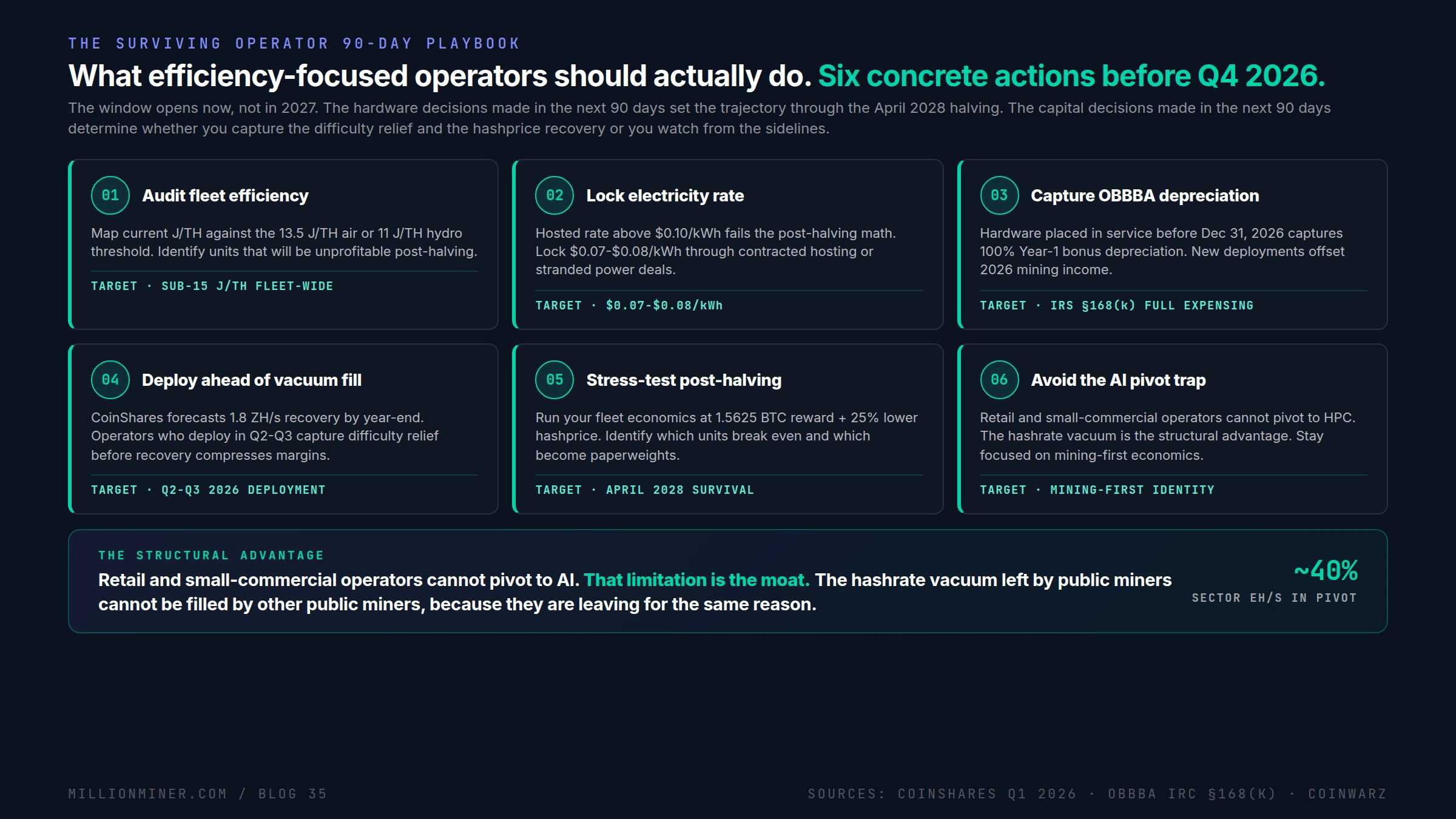
The market is already reflecting this structural change. Investors are closely watching how these legacy miners integrate AI workloads, as their ability to secure long-term power contracts and manage thermal dynamics becomes a competitive advantage. The following chart illustrates the recent volatility and trend in the broader AI infrastructure token space, which often correlates with the adoption rates of these mining pivots.
Key questions on AI crypto strategy
The intersection of artificial intelligence and blockchain infrastructure is shifting from speculative hype to tangible utility. For investors and researchers, the primary keyword phrase "crypto ai infrastructure" now refers to projects providing decentralized compute, data verification, and agent coordination layers. Below are specific answers to the most common high-intent queries regarding this sector.
What are the top AI crypto projects?
Leading projects in the crypto ai infrastructure space focus on different layers of the stack. NEAR Protocol provides accessible developer tools and RPC nodes for AI applications. Bittensor creates a decentralized network for machine learning model training and inference. Render offers distributed GPU rendering power, which is critical for AI workloads. Internet Computer aims to run entire AI applications on-chain. The Artificial Superintelligence Alliance focuses on coordinating open-source AI models. These projects represent the current market leaders in terms of market capitalization and developer activity.
What crypto is most linked to AI?
While many tokens claim AI integration, those with actual decentralized compute resources are most strongly linked. Render Network (RNDR) is heavily tied to AI due to its GPU rental marketplace. Bittensor (TAO) is directly linked through its subnet architecture for AI model training. Fetch.ai (FET) and its merger into the ASI Alliance are central to the agent economy narrative. These assets see their valuations move closely with broader AI technology trends and demand for computational power.
What is the best crypto to invest in AI?
There is no single "best" investment, as the sector is fragmented across compute, data, and agent layers. A balanced approach might include established infrastructure plays like Render or NEAR for stability, alongside higher-risk subnet or agent-focused tokens like Bittensor. Investors should look for projects with real revenue from compute rentals or active developer ecosystems rather than those with only whitepapers. The crypto ai infrastructure market is evolving rapidly, so due diligence on tokenomics and actual usage is essential.
No comments yet. Be the first to share your thoughts!