Setting a realistic budget for crypto AI infrastructure
Building a home node or purchasing hardware for decentralized AI infrastructure requires balancing upfront cost with performance longevity. Unlike consumer GPUs, specialized mining rigs or high-throughput server components often carry a premium price tag that depreciates quickly as algorithm updates shift network difficulty. You must weigh the initial purchase price against the ongoing electricity costs and the hardware's expected operational lifespan.
For those entering the space with limited capital, starting with accessible consumer-grade components can lower the barrier to entry, though this may limit your ability to participate in high-performance consensus mechanisms. Conversely, investing in enterprise-grade hardware demands a larger budget but offers better long-term resilience against market volatility. The goal is to find a middle ground where the hardware cost aligns with potential yield, ensuring you aren't locked into a depreciating asset that can no longer generate sufficient returns.
When selecting specific tools or hardware, focus on total cost of ownership rather than just the sticker price. Consider factors like energy efficiency, cooling requirements, and upgradeability. A slightly more expensive unit with better power efficiency often pays for itself over time through reduced operational expenses. Always verify compatibility with current network protocols before making a purchase to avoid obsolescence.


As an Amazon Associate, we may earn from qualifying purchases.
Shortlist real options
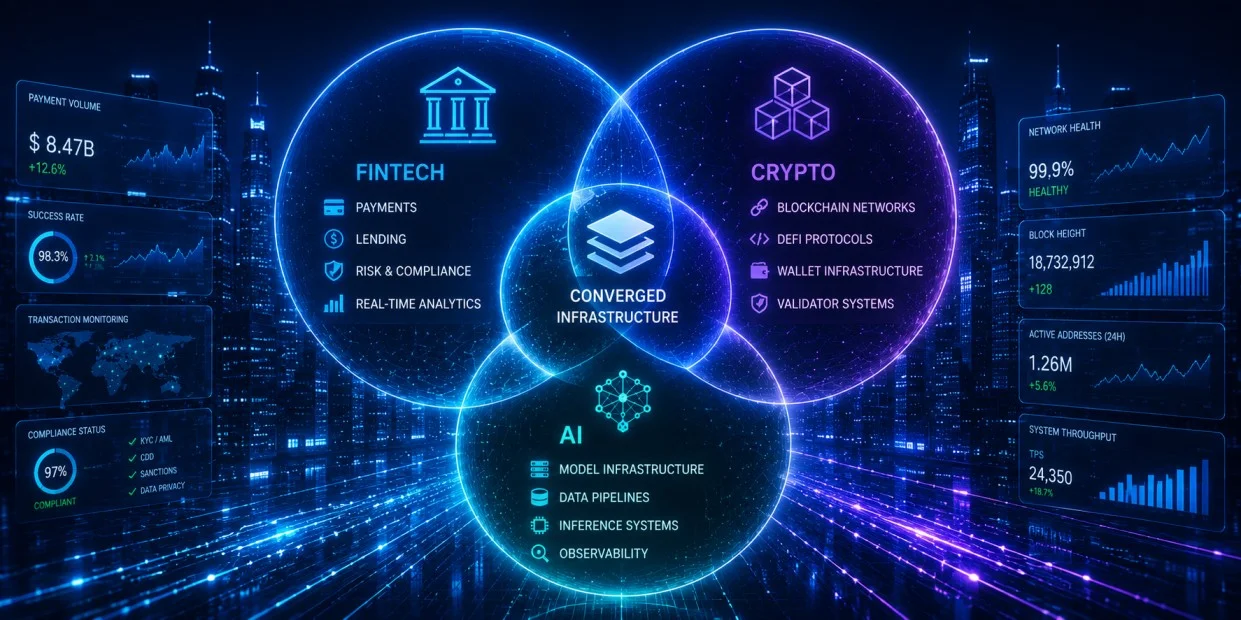
The crypto AI infrastructure sector is moving from experimental pilots to production-grade systems. We are comparing the strongest options based on their specific utility, network maturity, and market positioning. This selection focuses on projects that provide tangible compute, data, or networking layers rather than speculative concepts.
The following table breaks down the core attributes of the leading infrastructure plays. These projects serve as the foundational layers for decentralized machine learning, rendering, and data storage.
| Project | Primary Focus | Key Utility | Market Status |
|---|---|---|---|
| Bittensor | Decentralized ML | Miner reward subnet for AI model training | Active Mainnet |
| Render | GPU Rendering | Distributed GPU power for graphics and AI | Active Mainnet |
| NEAR Protocol | Scalable Blockchain | High-throughput layer for AI agents and data | Active Mainnet |
| 0G Labs | Data Availability | Modular data layer for AI model storage | Testnet/Launching |
| ASI Alliance | Agentic AI | Unified infrastructure for autonomous AI agents | Active Ecosystem |
Each project addresses a different bottleneck in the current AI stack. Bittensor decentralizes the training process, allowing anyone to contribute compute power. Render provides the necessary hardware capacity for heavy graphical and inference workloads. NEAR offers the scalability required for high-frequency AI agent interactions.
When evaluating these options, consider the specific layer of the stack they support. Infrastructure plays are distinct from application-layer tokens. They provide the raw materials—compute, storage, and networking—that other AI projects consume. The market is currently pricing in the potential for these networks to replace centralized cloud providers for specific AI tasks. Bittensor and Render have established track records, while newer entrants like 0G Labs and the ASI Alliance are building out their ecosystems. The divergence in their approaches highlights the fragmented nature of the infrastructure layer. Investors should note that infrastructure projects often have higher technical barriers to entry for users. The value accrual depends on network adoption by developers and enterprises. Monitoring on-chain activity and developer engagement is more reliable than short-term price action for these assets.
Inspect the expensive parts
Building or investing in crypto AI infrastructure carries a high cost of failure. When you skip the basics, the bill comes due in lost compute, stranded capital, or irrecoverable data. Use this inspection checklist to catch the most expensive blind spots before they drain your budget.

AI models are hungry for compute. Before committing, confirm that GPU clusters are actually available at the projected price. Spot instances fluctuate wildly. If you cannot secure consistent, affordable access to NVIDIA H100s or A100s, your operational costs will destroy any margin.
Decentralized infrastructure promises sovereignty, but only if you control the keys. Verify that data remains encrypted and inaccessible to third-party node operators. If the protocol requires uploading sensitive training data to public nodes, you risk leaking proprietary information or violating regulatory standards.

Many AI tokens suffer from massive insider allocations. Check the vesting schedule for team and early investors. If a large portion of the supply unlocks in the next quarter, you face immediate sell pressure. Look for projects with long-term alignment, where core contributors are locked in for years.
AI inference requires real-time responses. A decentralized network that takes minutes to aggregate results is useless for live applications. Run stress tests to measure latency under load. If the network congests or drops packets during peak usage, the infrastructure cannot support production-grade AI workloads.
Plan for ownership costs
A cheap GPU rental or entry-level node looks attractive until the electricity bill and maintenance time arrive. Ownership costs in crypto AI infrastructure go beyond the initial hardware purchase. You need to account for power consumption, cooling requirements, and the labor needed to keep systems running.
Decentralized AI infrastructure can empower individuals and organizations to harness the potential of AI while maintaining sovereignty over their data, but this sovereignty comes with responsibility. When you self-host, you are responsible for hardware failures, software updates, and network connectivity. A $2,000 graphics card might seem like a bargain, but if it draws 300 watts 24/7, the annual electricity cost can exceed $500 depending on your local rates.
Maintenance surprises often catch new operators off guard. Fans fail, thermal paste dries out, and software dependencies break after updates. Factor in at least 5-10 hours per month for troubleshooting and updates. If you cannot afford these hidden costs, cloud-based solutions may offer better long-term value despite higher per-hour fees.
Essential tools for managing infrastructure
Having the right tools helps mitigate these costs. Consider investing in hardware that balances performance with energy efficiency.


As an Amazon Associate, we may earn from qualifying purchases.
These small investments pay for themselves by preventing hardware damage and helping you optimize your energy usage. Regular monitoring allows you to identify inefficiencies before they become expensive problems.
Crypto ai infrastructure: what to check next
These questions reflect the immediate concerns of investors looking at the intersection of artificial intelligence and blockchain technology. The distinction between pure AI projects and those providing infrastructure is critical for understanding risk and potential returns in 2026.
No comments yet. Be the first to share your thoughts!