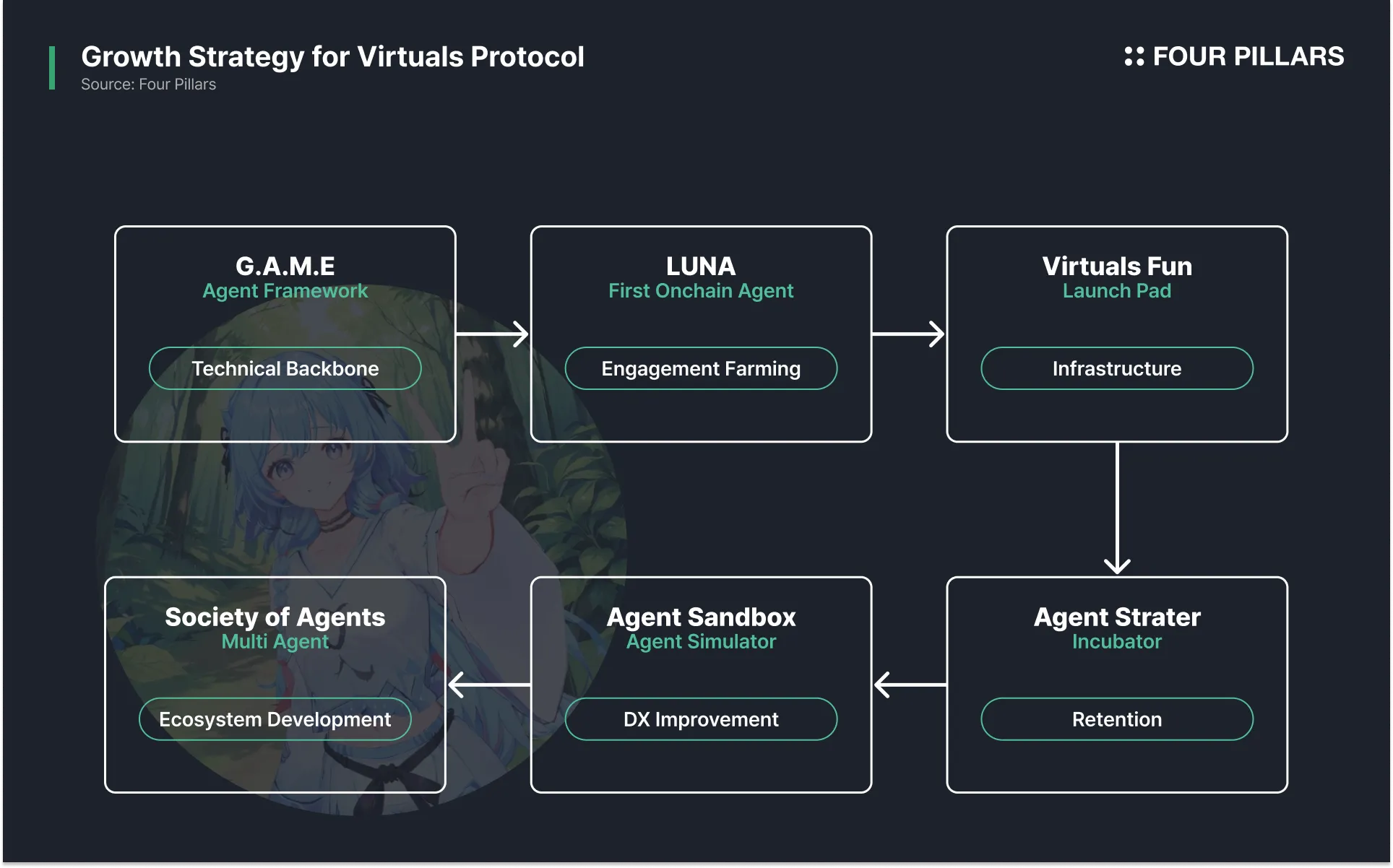
Why crypto AI infrastructure matters
The bottleneck for artificial intelligence isn't just algorithms anymore; it's compute. As AI models grow larger, the demand for processing power has pushed the industry toward a handful of centralized cloud providers. This concentration creates single points of failure, data privacy risks, and pricing volatility that can stifle innovation.
Decentralized crypto AI infrastructure offers a different path. By leveraging blockchain networks to coordinate idle GPU resources from around the world, these platforms create an open, scalable alternative to traditional data centers. This shift doesn't just lower costs; it empowers organizations to maintain sovereignty over their data while accessing the computational power needed to train complex models.
For investors, this infrastructure layer represents a tangible opportunity. Unlike speculative tokens, these projects provide essential utility—renting out GPU cycles for AI tasks. As the AI stack evolves from energy to compute to frameworks, the underlying hardware and network layers become critical. Identifying which decentralized projects are delivering reliable compute today is essential for understanding where the next wave of value lies.
Top decentralized compute networks
While centralized hyperscalers like AWS and CoreWeore dominate the current AI boom, the crypto ecosystem is building its own distributed muscle. Decentralized compute networks allow users to rent out idle GPU power, creating a cheaper, more resilient alternative for training large language models and running AI agents. For infrastructure investors, this layer is the foundation upon which the next generation of AI applications will be built.
The leading projects in this space focus on three core capabilities: GPU aggregation, data storage, and specialized AI agent frameworks. These networks compete on performance, token utility, and the size of their active node networks.
Render Network (RNDR)
Render is the most established player in decentralized GPU rendering, now pivoting heavily toward AI training and inference. By aggregating GPU power from independent node operators, Render provides a scalable grid for AI workloads that rivals centralized cloud providers. Its token is used to pay for compute services and stake by node operators, creating a closed-loop economy for high-performance computing.
Akash Network (AKT)
Akash operates as a decentralized cloud marketplace, often described as the "Airbnb of cloud computing." It offers GPU instances for AI tasks at a fraction of the cost of traditional providers by leveraging underutilized data center capacity. Akash’s open-source protocol supports a wide range of workloads, making it a flexible backend for AI startups and individual developers.
Bittensor (TAO)
Bittensor takes a different approach by decentralizing the AI model itself rather than just the compute. It operates as a peer-to-peer network where miners compete to produce the best AI outputs, with rewards distributed based on the quality of their contributions. This creates a self-improving ecosystem where the network’s intelligence grows as more participants join.
0G Labs (0G)
0G focuses on the data layer, providing decentralized storage and data availability for AI agents. As AI agents require vast amounts of data to operate, 0G offers a high-speed, low-cost alternative to traditional cloud storage, ensuring that AI applications can scale without being bottlenecked by data access.
Nous Research / Surf
Nous Research is building Surf, a decentralized framework specifically designed for AI agents. Surf allows developers to create, train, and deploy autonomous agents on a decentralized network, focusing on the application layer of AI infrastructure. This project bridges the gap between raw compute and usable AI applications.
Hardware for Decentralized Compute
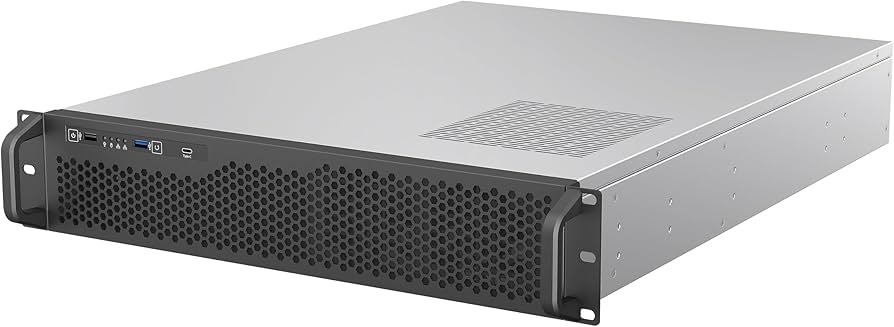
To participate in these networks as a node operator, you need high-performance hardware. The following components are commonly used to build competitive nodes for decentralized compute networks.


As an Amazon Associate, we may earn from qualifying purchases.
Comparison of Top Compute Networks
| Network | Primary Use Case | Token Utility | Node Requirement |
|---|---|---|---|
| Render Network (RNDR) | GPU Rendering & AI Training | Pay for compute, Staking | High-end GPU |
| Akash Network (AKT) | Decentralized Cloud Hosting | Pay for instances, Staking | Server-grade hardware |
| Bittensor (TAO) | Decentralized AI Model Training | Pay for subnet services, Staking | Specialized AI hardware |
| 0G Labs (0G) | Data Storage & Availability | Pay for storage, Staking | High-capacity storage |
| Nous Research (SURF) | AI Agent Framework | Pay for agent services | Standard dev hardware |
Data storage and retrieval layers
AI models are only as good as the data they consume, and traditional centralized databases create single points of failure for high-stakes inference. Decentralized storage networks solve this by sharding encrypted data across global nodes, ensuring that training sets remain available and tamper-proof without relying on a single cloud provider. This architecture is critical for AI agents that need to retrieve verified, immutable information in real-time.
Projects like 0G (ZeroGravity) are building specialized layers that bridge the gap between on-chain security and off-chain storage capacity. By offering high-throughput data availability, these networks allow AI models to access large datasets without clogging blockchain mainnets. This separation of concerns ensures that compute-intensive AI tasks don't bottleneck the underlying ledger, a common issue in earlier generations of decentralized infrastructure.
For developers and investors, the focus is shifting toward protocols that offer both durability and speed. The ability to retrieve data quickly is just as important as storing it securely. As AI agents become more autonomous, they will require a storage layer that can handle massive, continuous data streams without latency. This evolution is turning data storage from a passive utility into an active component of the AI infrastructure stack.

As an Amazon Associate, we may earn from qualifying purchases.
AI agent and model platforms
This is the application layer where AI actually does the work on-chain. Instead of just storing data, these platforms let autonomous agents execute trades, manage portfolios, or coordinate tasks using smart contracts. Think of it as giving your AI a wallet and a set of rules so it can operate without a human hovering over every click.
Bittensor (TAO) is the leader here. It runs a decentralized network where miners provide machine learning outputs—like text generation or data processing—and get paid in TAO tokens. It’s essentially a marketplace for intelligence. Render (RNDR) supports this by providing the distributed GPU power needed to run these models efficiently, bridging the gap between traditional cloud compute and decentralized needs.
These platforms are shifting how value is created in crypto. Rather than speculative tokens, we are seeing infrastructure that powers real-world utility. As AI agents become more sophisticated, the ability to pay for computation and data directly on-chain will become standard.
Strategic allocation for crypto AI
Building a crypto AI portfolio requires looking past the hype and mapping capital to the actual infrastructure stack. The sector is no longer just about mining; it is about the underlying compute power that drives decentralized models. Investors should view allocation as a pyramid, starting with the foundational hardware layers and moving up to application-specific tokens.
The Compute Layer: Hardware and GPU Access
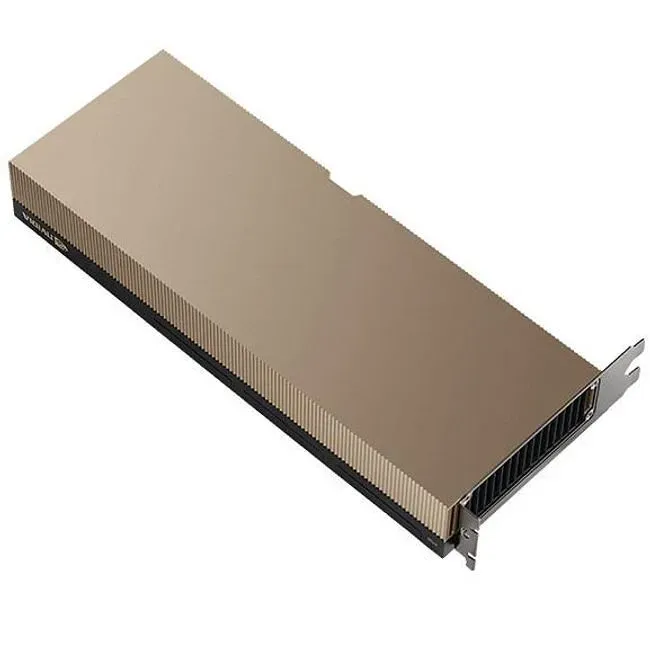
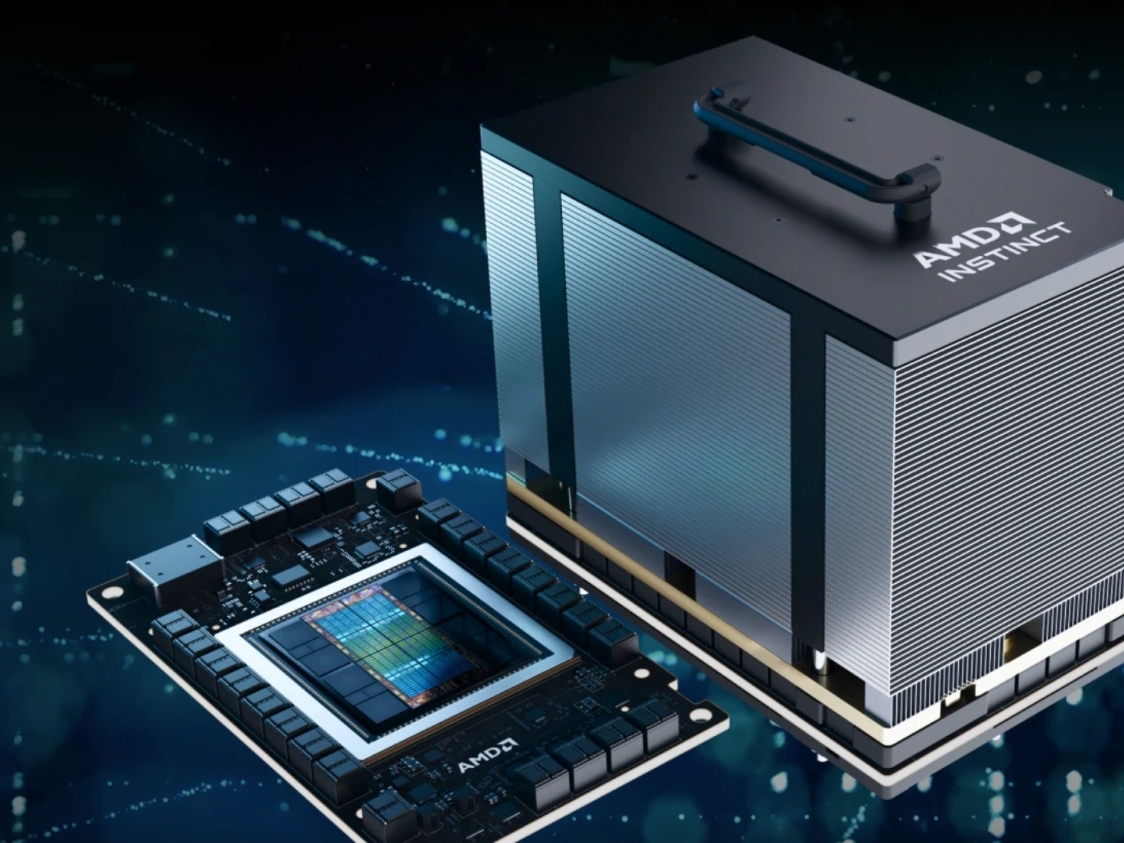
The base of the stack is physical compute. This includes the GPUs and servers that process AI workloads. While many projects are tokenized, the real value often sits in the hardware providers or the decentralized networks that aggregate this power. Allocating here means betting on the demand for processing power itself.

As an Amazon Associate, we may earn from qualifying purchases.
The Middleware and Network Layer
Above hardware sits the middleware layer. This includes decentralized storage, networking, and data availability protocols. These layers ensure that AI agents can access data and communicate securely. Tokens in this category often serve as the "glue" that connects decentralized compute to specific AI tasks, reducing latency and cost for end-users.
Application Layer: Specialized AI Agents
The top of the stack consists of application-specific tokens. These projects build direct tools for users, such as decentralized autonomous agents, content generation platforms, or specialized financial AI. Allocation here is higher risk but offers the highest potential upside if the underlying infrastructure holds up. Focus on projects with clear utility rather than abstract concepts.
Frequently asked: what to check next


As an Amazon Associate, we may earn from qualifying purchases.
No comments yet. Be the first to share your thoughts!