Why onchain compute matters now
Decentralized AI infrastructure has moved past the hype cycle. What began as a speculative narrative for crypto enthusiasts is rapidly becoming essential utility for AI agents and data sovereignty. As AI models grow larger and more complex, the demand for compute power is outpacing the capacity of centralized cloud providers. This bottleneck creates a structural opening for decentralized networks to step in.
The shift is driven by two converging forces: the need for scalable, uncensored compute and the desire for data privacy. Centralized AI providers control the data pipeline, creating single points of failure and potential censorship. In contrast, crypto AI infrastructure distributes this workload across a global network of nodes. This architecture not only scales more efficiently but also keeps data sovereign, allowing individuals and organizations to harness AI without surrendering control to a few tech giants.
Institutional capital is beginning to recognize this utility. Recent market analysis suggests that AI infrastructure is outperforming broader crypto trends, signaling a maturation of the sector. Projects that provide tangible compute resources, such as decentralized GPU rendering or distributed machine learning training, are seeing increased adoption. This isn't just about token speculation; it's about building the backbone for the next generation of autonomous agents.
The market is already pricing in this transition. Investors are looking for protocols that offer real-world utility rather than abstract promises. The top AI coins in 2026 span multiple categories, including decentralized machine learning, GPU infrastructure, and data networks. Projects like Bittensor, Render, and NEAR Protocol are leading this charge by offering scalable solutions to the compute crisis.
This transition marks a fundamental change in how we think about digital infrastructure. Just as the internet decentralized information, decentralized AI is democratizing intelligence. For developers and enterprises, this means access to more affordable, transparent, and resilient compute resources. For users, it means greater control over their data and the AI services they rely on. The question is no longer if decentralized AI will matter, but how quickly it will replace legacy systems.
Top crypto AI infrastructure projects to watch
The crypto AI infrastructure market is splitting into three distinct layers: compute, data, and networking. Projects that solve specific bottlenecks in these layers are gaining traction as the demand for decentralized AI grows. Rather than chasing broad "AI coins," it is more effective to focus on the underlying rails that power these systems.
The following projects represent the current leaders in each category, selected for their technical utility and market position.
Decentralized Compute: Render Network (RENDER)
As AI models grow larger, the demand for GPU power outstrips centralized supply. Render Network connects users who need GPU computing power with those who have idle GPUs, creating a decentralized marketplace for rendering and AI training.
RENDER is the leading protocol in this space, offering a scalable solution for high-performance computing tasks. Its token economy incentivizes GPU providers to join the network, ensuring a steady supply of computational resources for AI developers.
Data Infrastructure: Arweave (AR)
AI models are only as good as the data they are trained on. Arweave provides permanent, decentralized storage, ensuring that the datasets used to train these models are immutable and accessible. This is critical for building trustless AI systems that do not rely on centralized cloud providers.
AR serves as the backbone for storing large-scale datasets, making it a fundamental piece of the crypto AI infrastructure puzzle. Its focus on permanence distinguishes it from transient storage solutions.
Networking: Akash Network (AKT)
Akash Network operates as a decentralized cloud computing platform, offering a more cost-effective alternative to centralized providers like AWS or Azure. It allows users to rent out unused cloud resources, creating a marketplace for compute instances.
For AI infrastructure, AKT provides the networking layer that connects compute providers with consumers. Its flexibility and lower costs make it an attractive option for startups and developers building AI applications on a budget.
AI Agents: Fetch.ai (FET)
Fetch.ai focuses on autonomous AI agents that can perform tasks on behalf of users, from booking travel to managing financial transactions. These agents operate on the Fetch network, leveraging blockchain for secure and transparent interactions.
FET is a key player in the agent economy, enabling AI to act autonomously within the crypto ecosystem. Its integration with other infrastructure projects creates a synergistic effect, enhancing the overall utility of the network.
Comparison of Top Infrastructure Projects
The table below compares these leading projects by their primary utility and market position.
| Project | Category | Primary Utility |
|---|---|---|
| Render Network | Compute | Decentralized GPU marketplace |
| Arweave | Data | Permanent data storage |
| Akash Network | Networking | Decentralized cloud computing |
| Fetch.ai | Agents | Autonomous AI agents |
Mining companies pivoting to AI
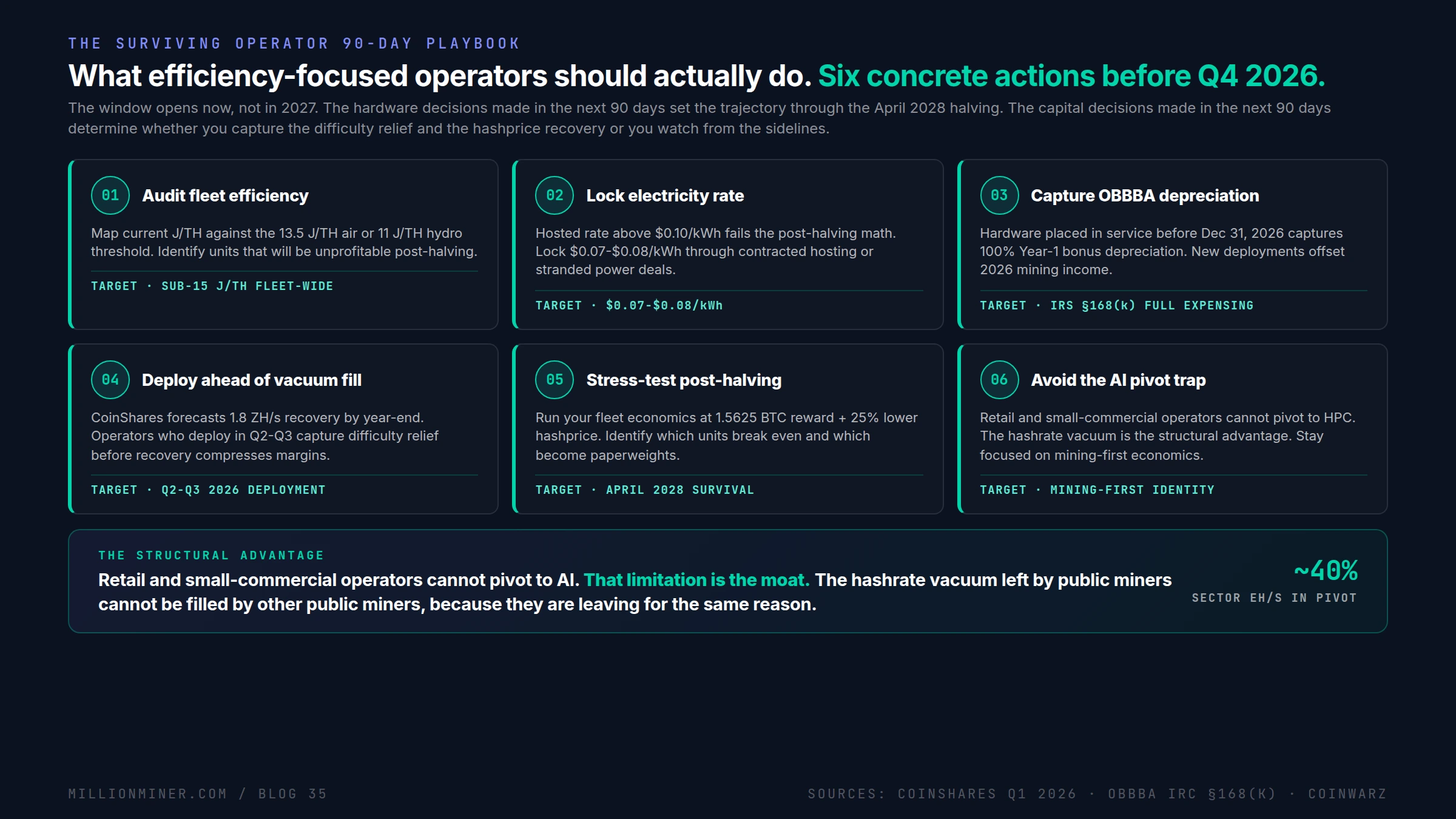
The supply side of the crypto AI infrastructure market is undergoing a massive shift. Traditional mining firms, whose hardware was built for Bitcoin's proof-of-work algorithms, are finding their GPUs and ASICs suddenly redundant as energy costs rise and block rewards shrink. Instead of letting these assets sit idle, companies are repurposing their heavy industrial infrastructure for artificial intelligence inference.
This pivot is not just about survival; it is a strategic realignment of capital. These firms possess what AI startups desperately need: massive data centers, high-density power contracts, and cooling systems capable of handling heat-intensive workloads. By converting their operations, they are transforming from crypto miners into AI infrastructure providers, creating a new dynamic in the crypto AI infrastructure ecosystem.
The market is already reacting to this transition. Investors are watching how quickly these companies can reconfigure their rigs for AI tasks. The following price widget tracks Riot Platforms (RIOT), one of the largest miners making this exact pivot, showing how the market values this new dual-purpose capability.
The transition creates a unique arbitrage opportunity. While AI chip shortages persist, existing mining hardware can be retrofitted or replaced with consumer-grade GPUs to handle inference tasks. This lowers the barrier to entry for new AI infrastructure providers, accelerating the deployment of decentralized compute power across the network.
Risks in the decentralized AI sector
Use this section to make the Crypto AI Infrastructure decision easier to compare in real life, not just on paper. Start with the reader's actual constraint, then separate must-have requirements from details that are merely nice to have. A practical choice should survive normal use, maintenance, timing, and budget. If a recommendation only works in an ideal situation, call that out plainly and give the reader a fallback path.
The simplest way to use this section is to write down the must-have criteria first, then compare each option against those criteria before weighing nice-to-have features.
Leading AI crypto projects
The crypto AI infrastructure space is shifting from speculative hype to tangible utility. Leading projects are focusing on decentralized compute, data availability, and autonomous agents. These tokens form the backbone of the next generation of AI systems, aiming to reduce reliance on centralized cloud providers.
Bittensor ($TAO) operates as a decentralized network where miners provide machine learning services and are rewarded with TAO tokens. It functions like a marketplace for AI intelligence, allowing developers to access diverse models without building them from scratch. Render ($RNDR) addresses the hardware bottleneck by creating a distributed GPU rendering network. It connects users needing computational power with GPU owners, effectively democratizing access to the resources required for training large language models.
NEAR Protocol has integrated AI-specific features, such as the NEAR AI framework, to streamline the deployment of machine learning models on-chain. Meanwhile, Fetch.ai ($FET) focuses on autonomous economic agents that can perform complex tasks, from supply chain management to financial trading, without human intervention. These projects represent the core pillars of crypto AI infrastructure: compute, intelligence, and automation.
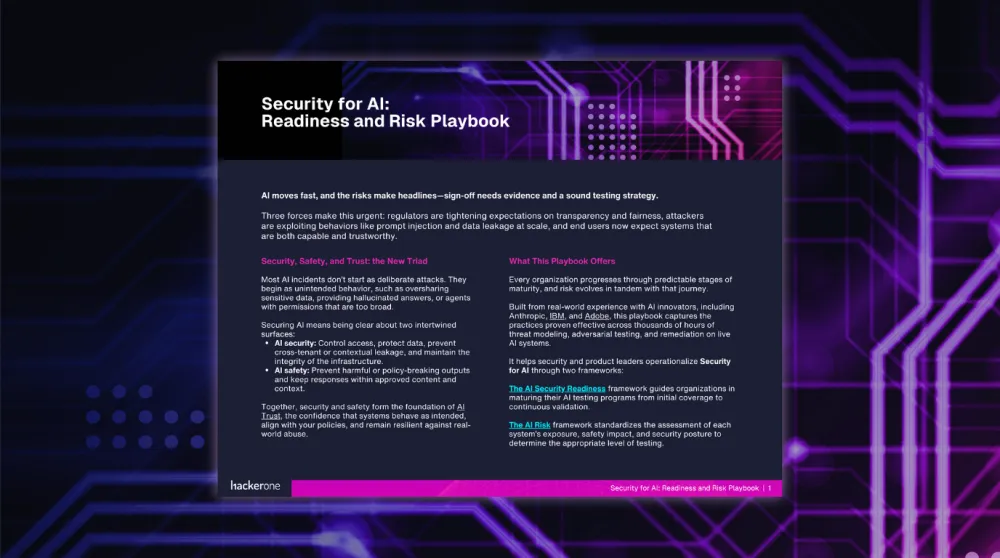
As these ecosystems mature, the distinction between AI and blockchain becomes less about buzzwords and more about architectural necessity. The following chart shows the recent performance of Bittensor, a key indicator of market sentiment toward decentralized AI infrastructure.
Frequently asked: what to check next
Helpful gear
Use these product recommendations as a starting point, then choose the size, material, and price point that fit how you actually use the gear.
As an Amazon Associate, we may earn from qualifying purchases.
No comments yet. Be the first to share your thoughts!